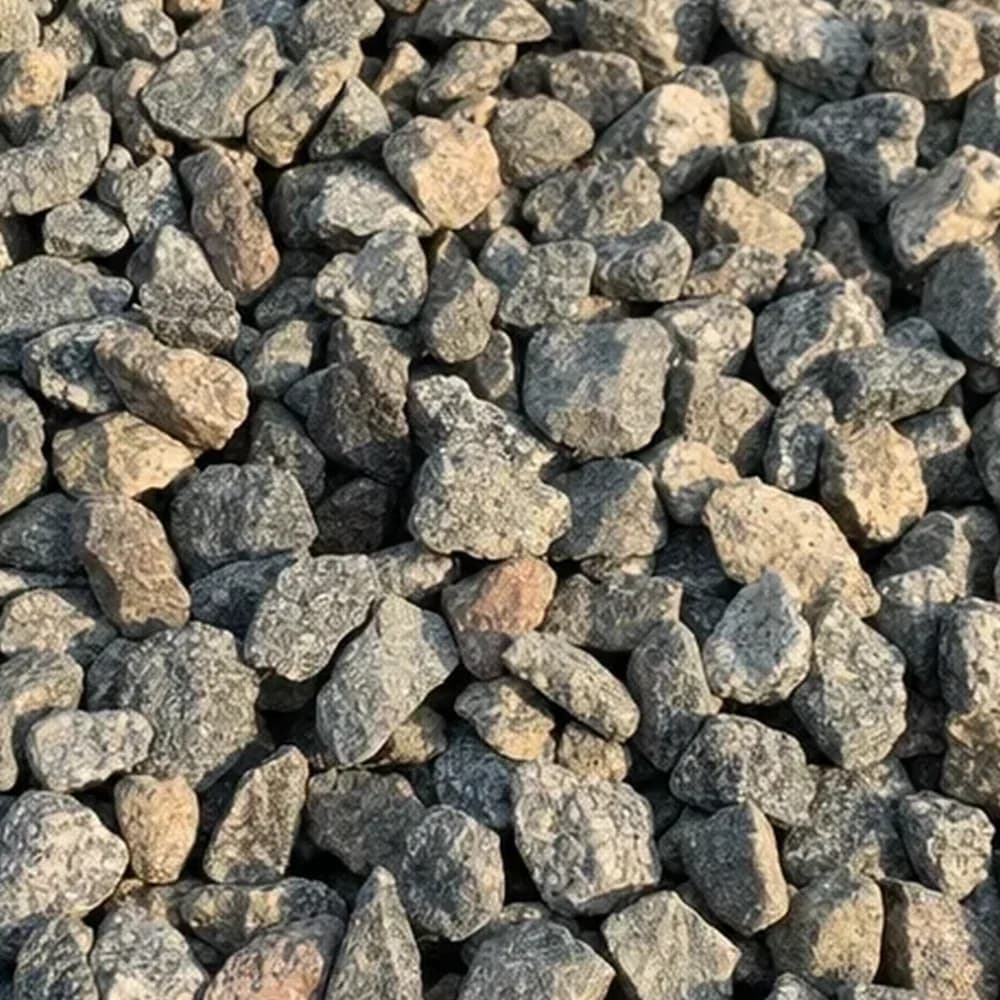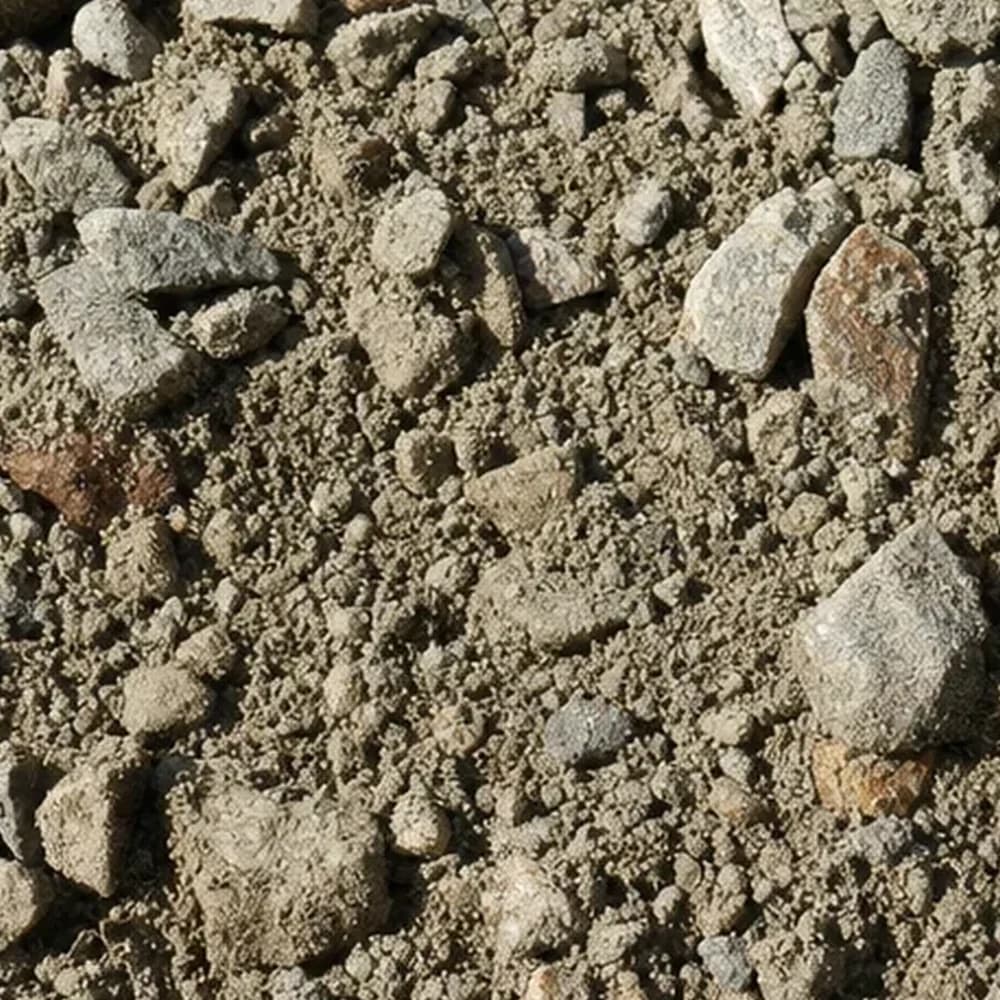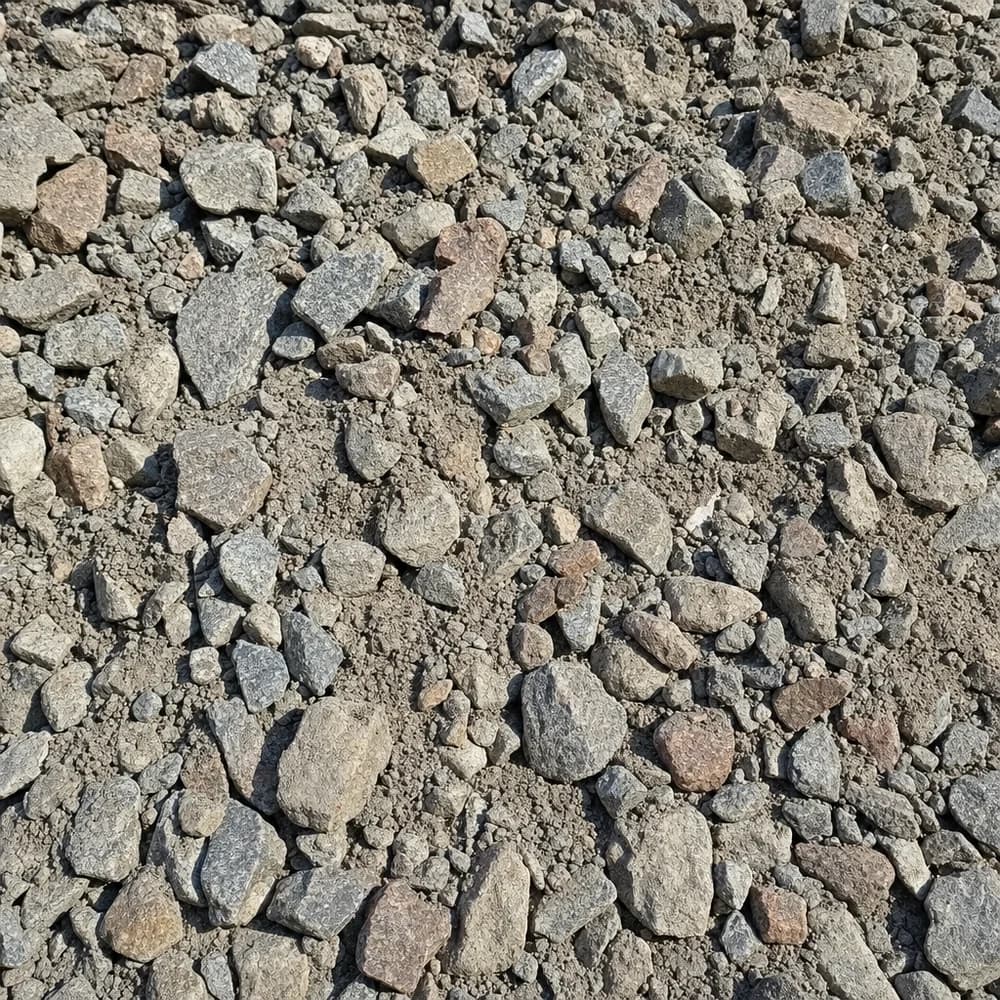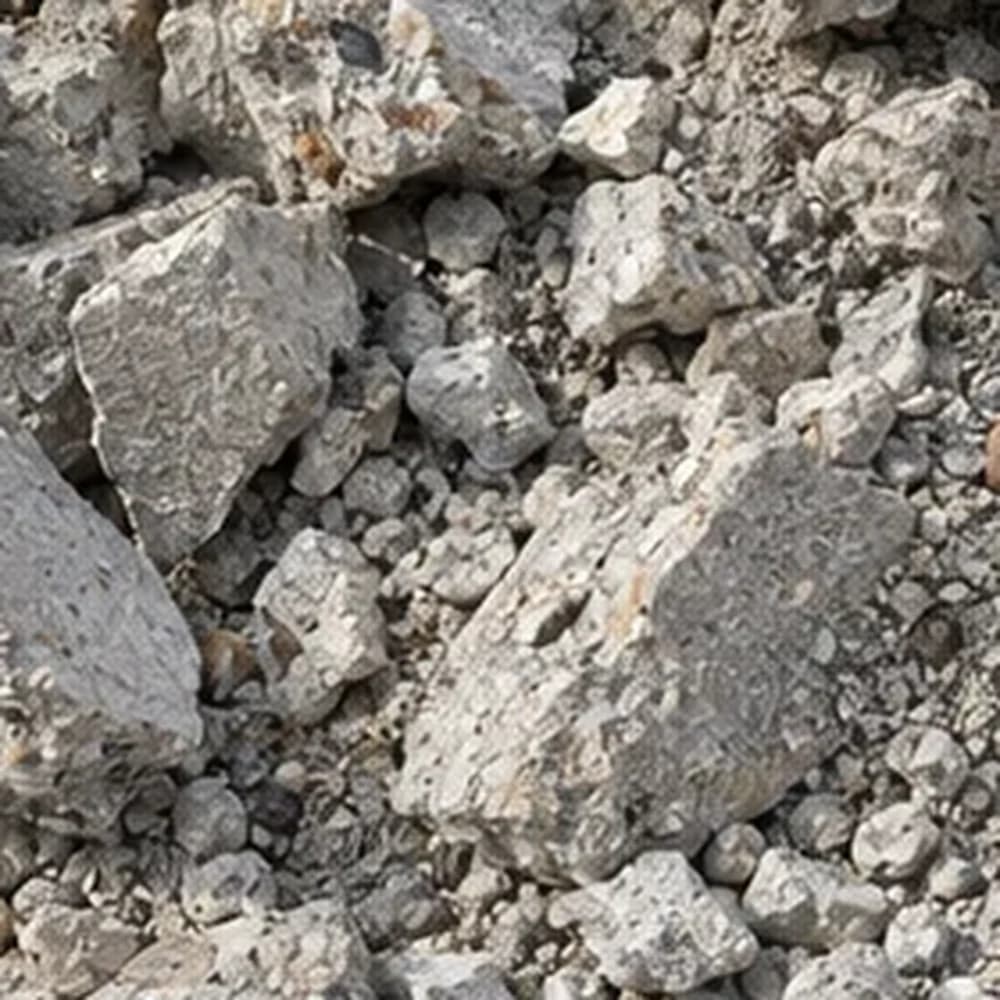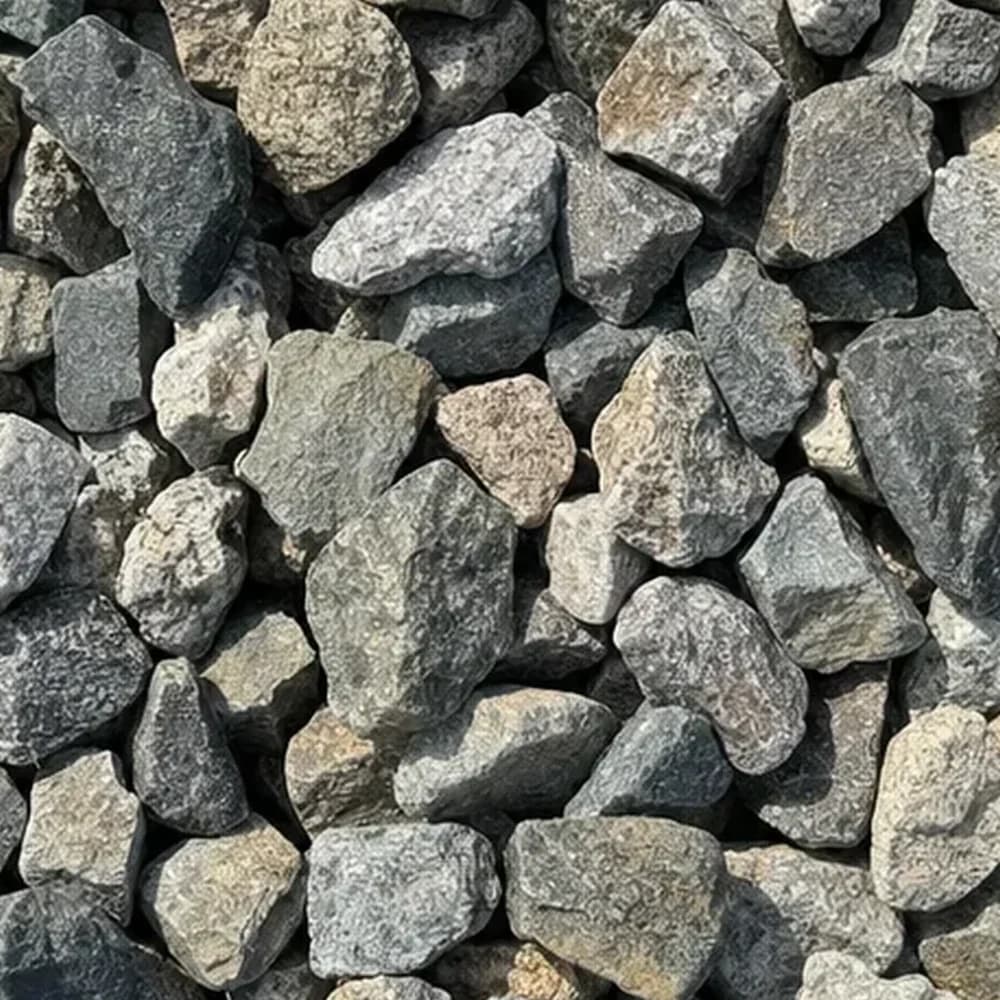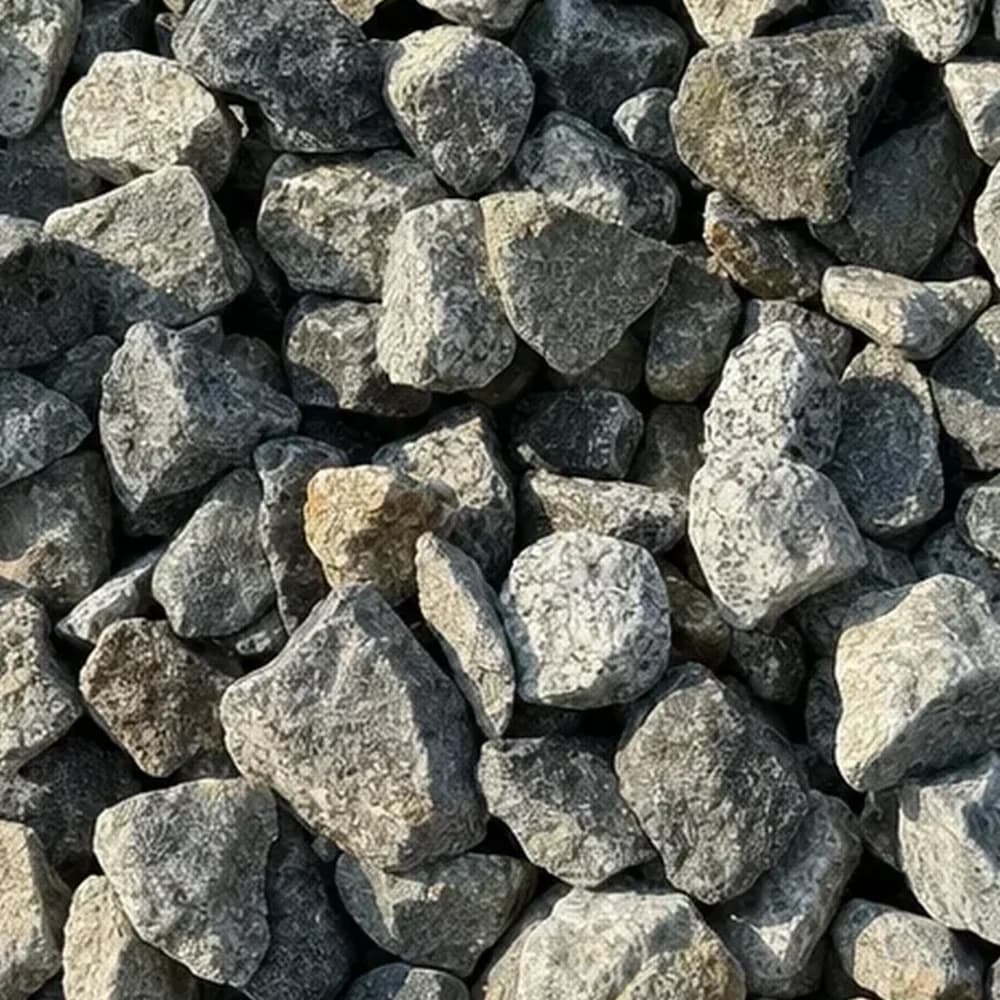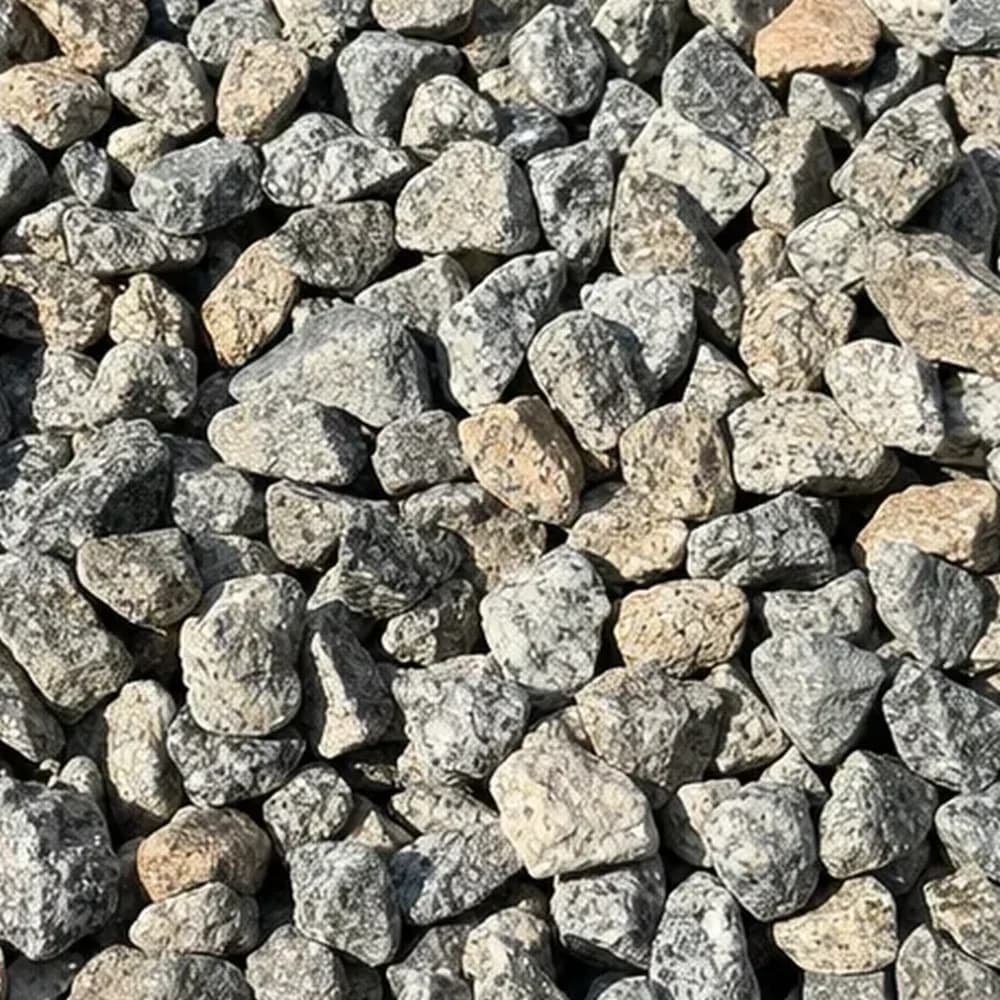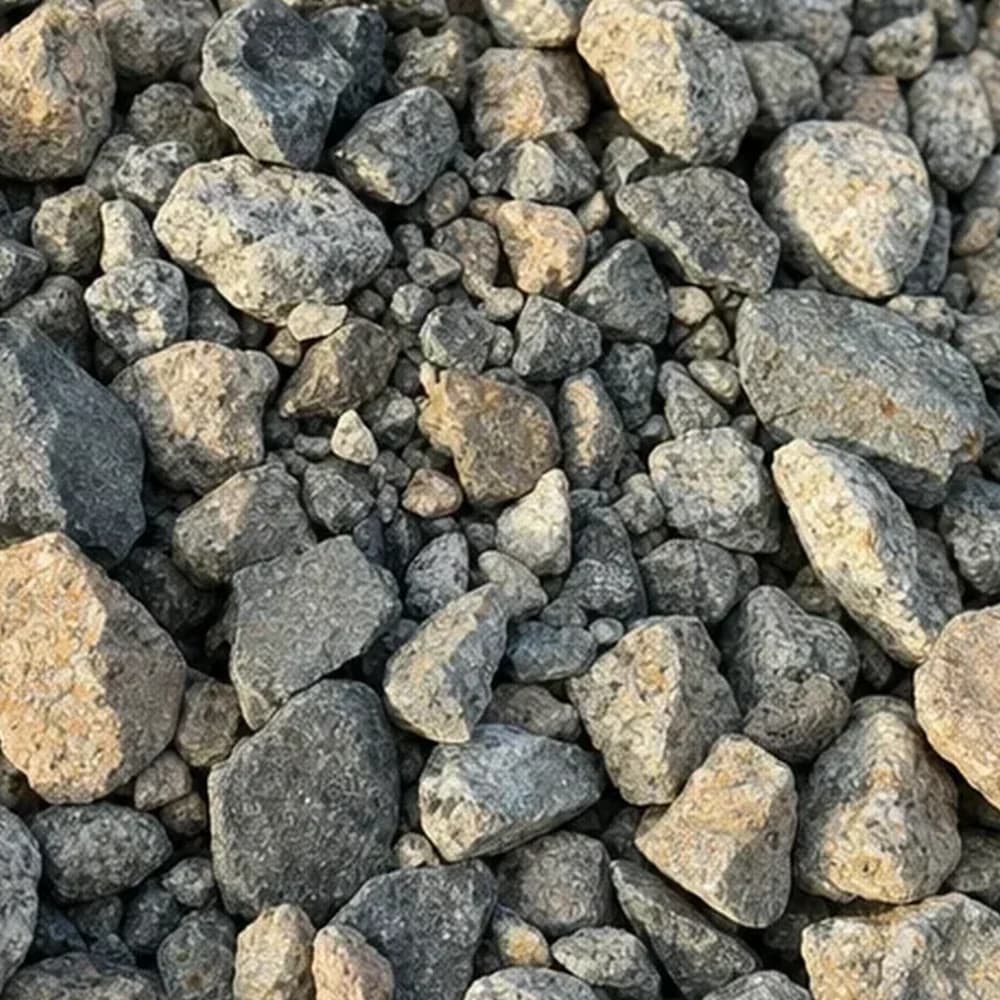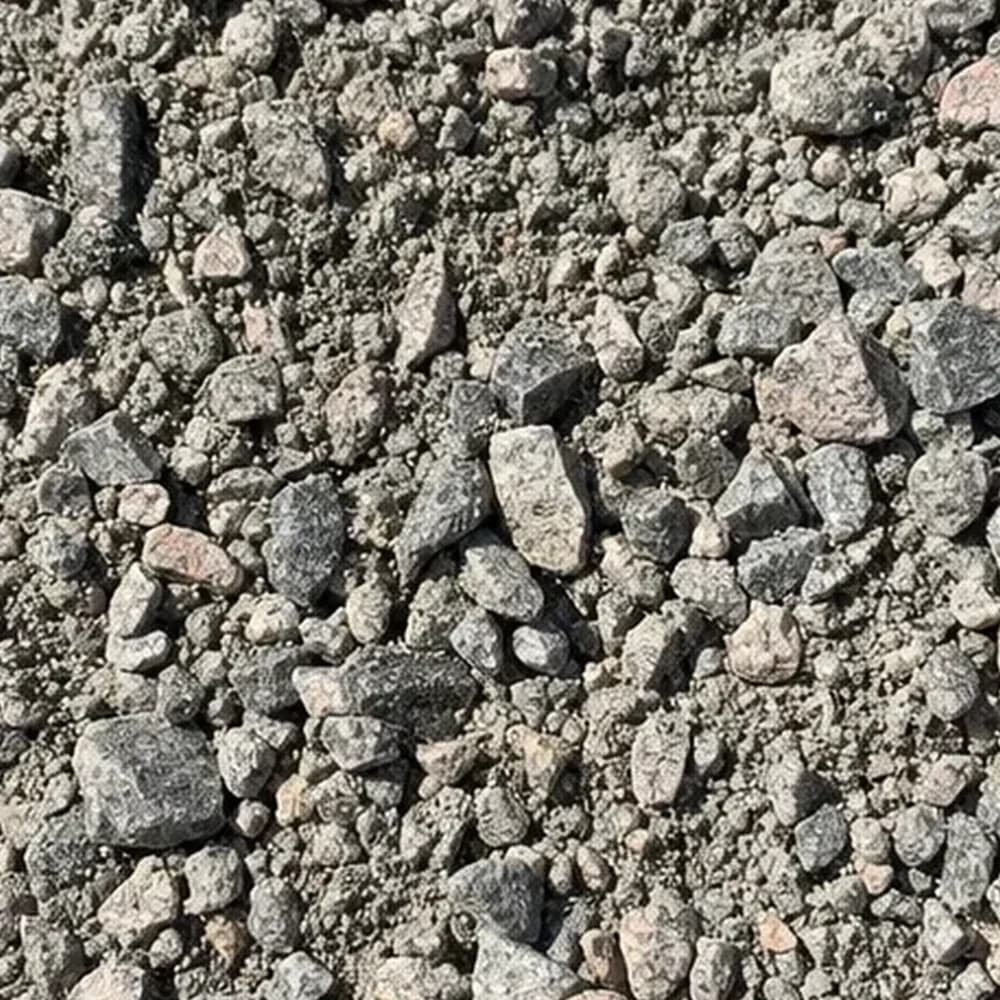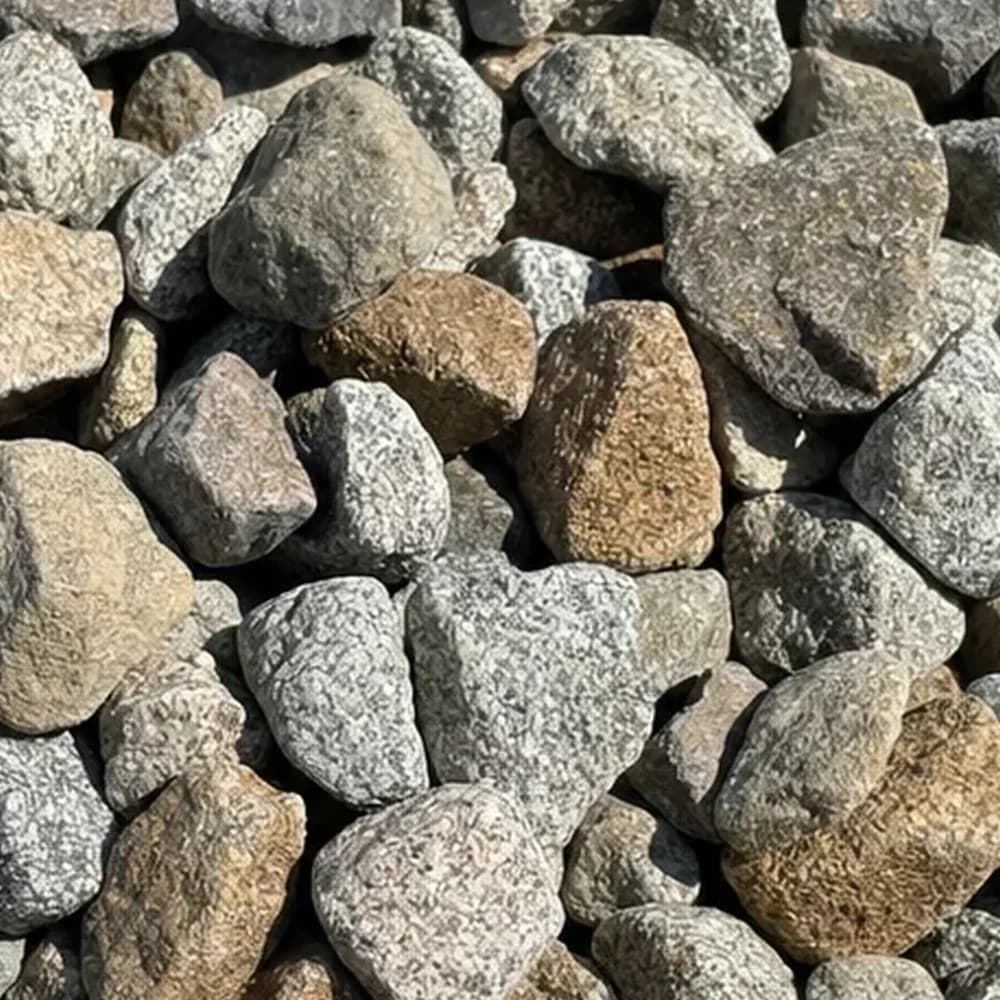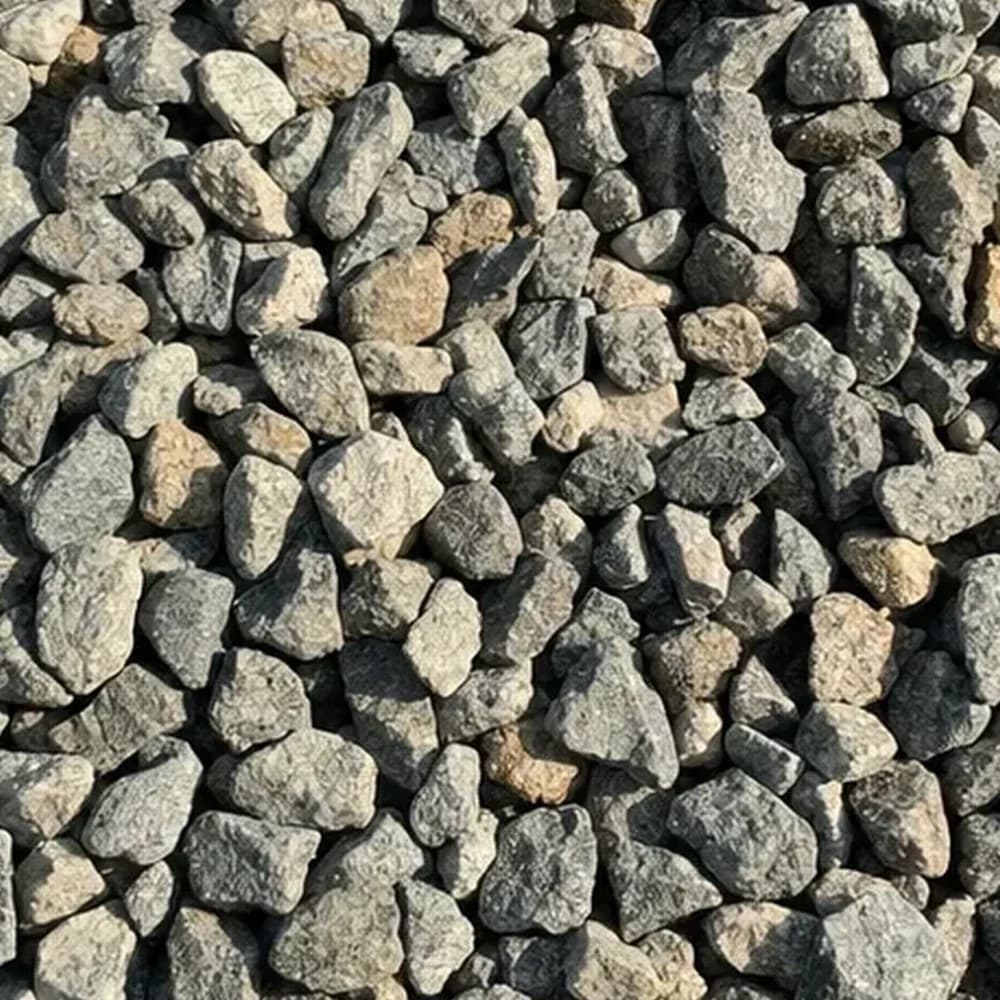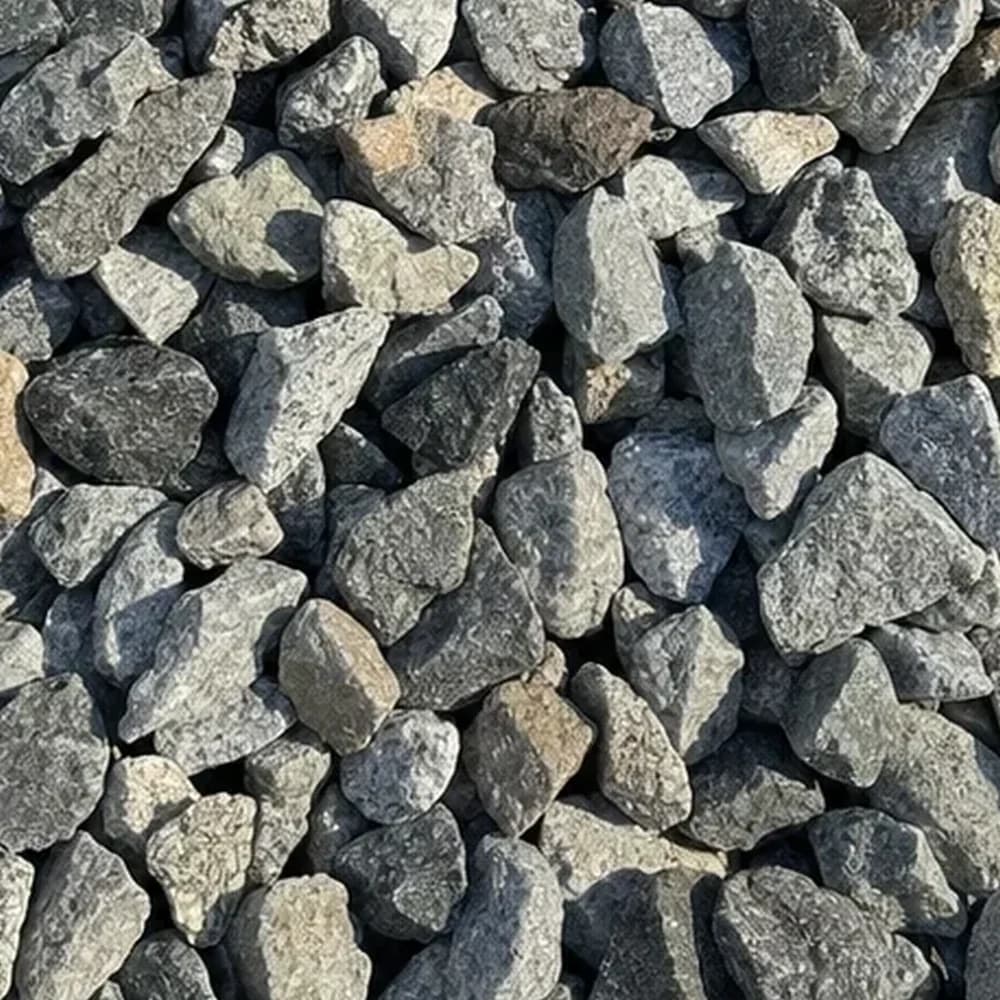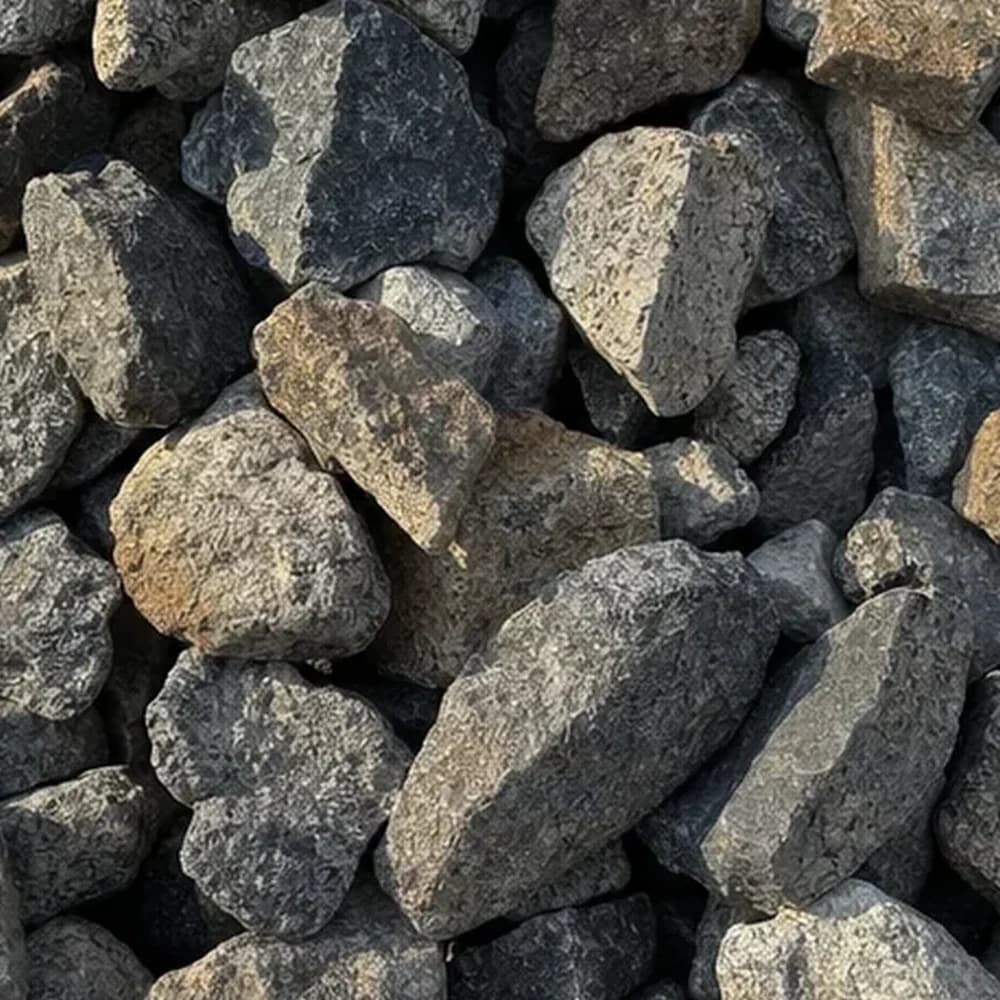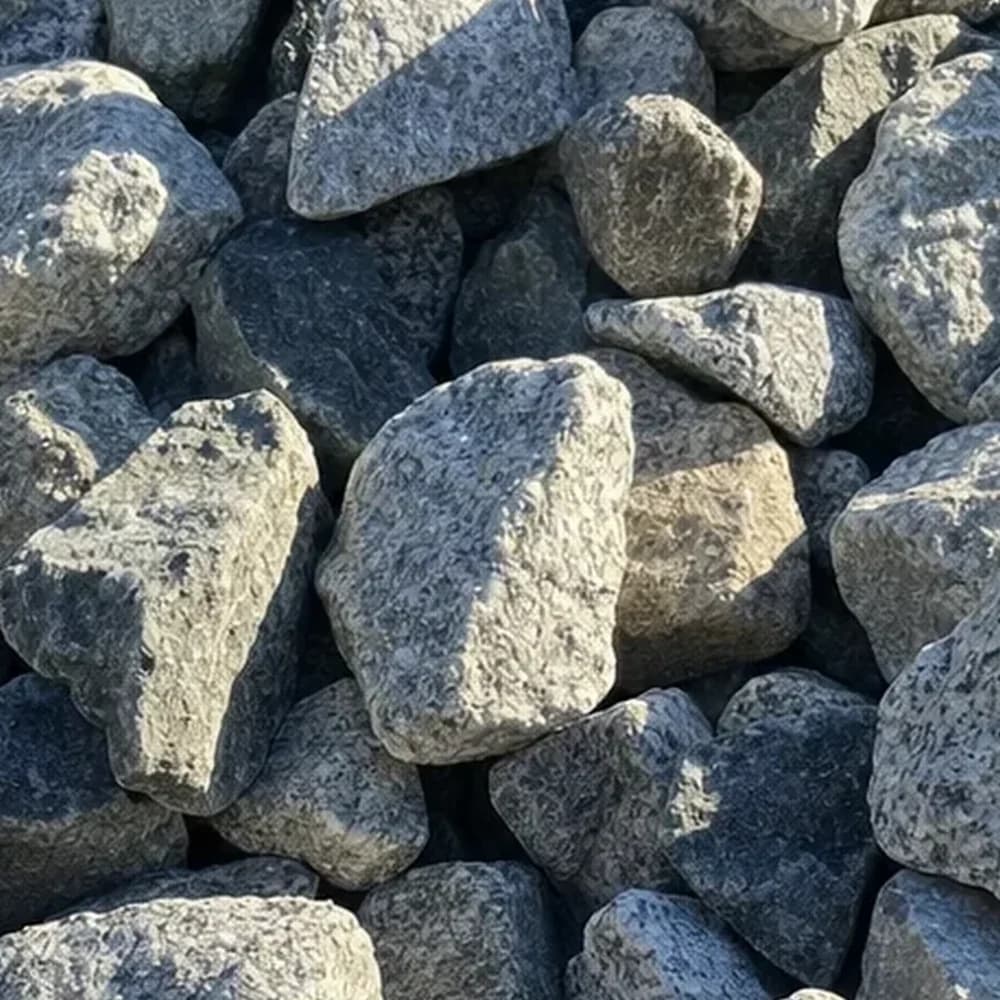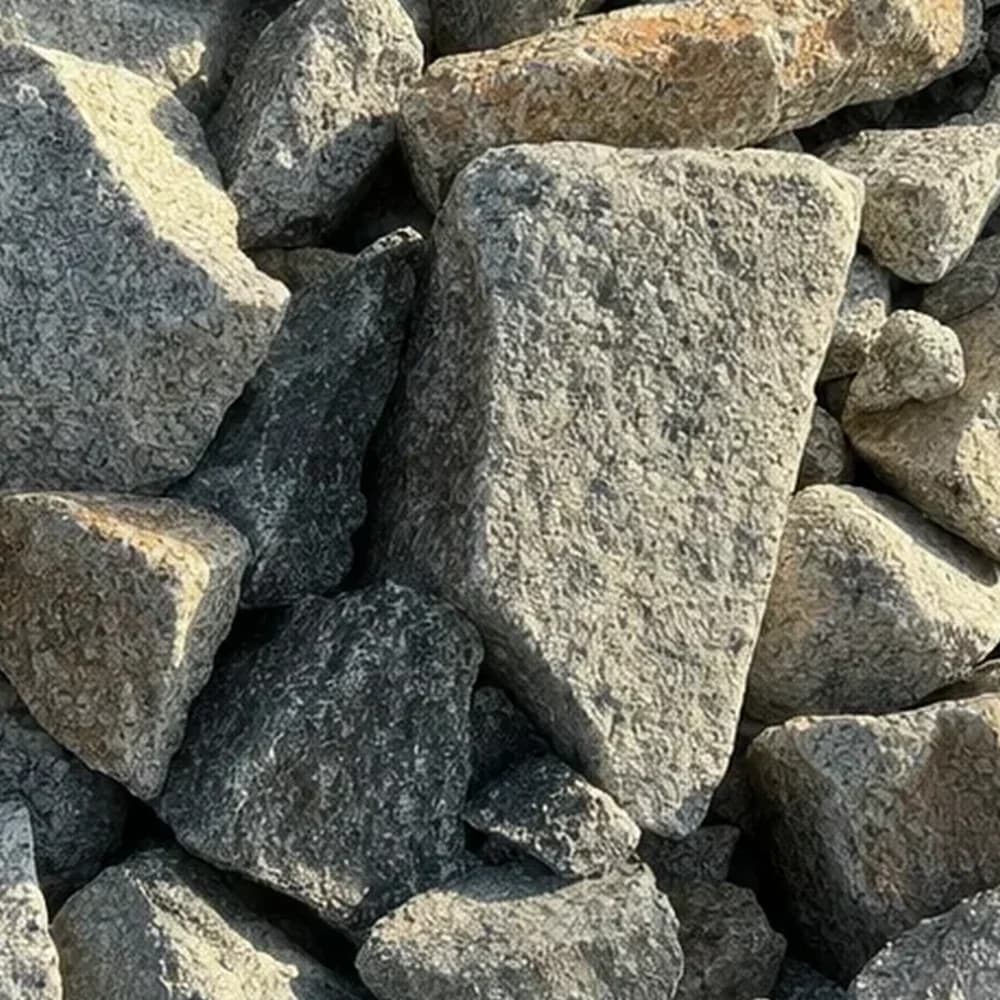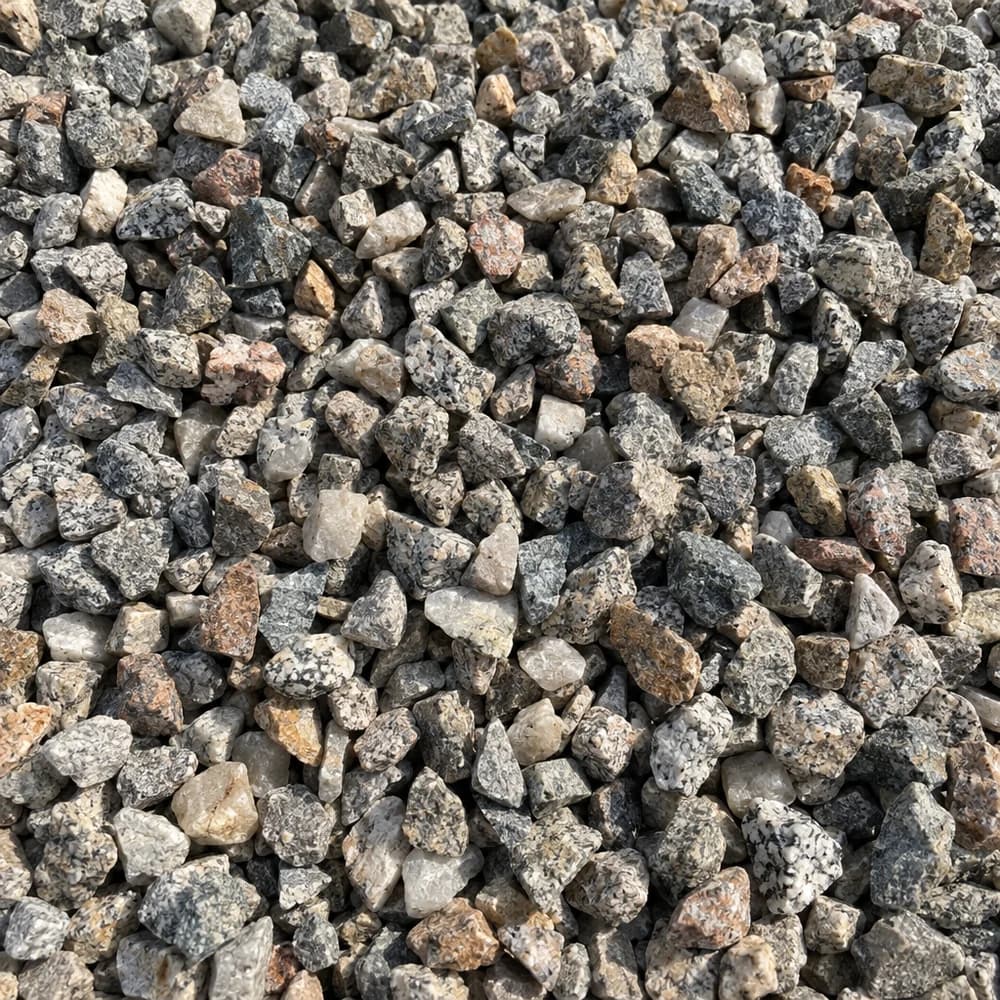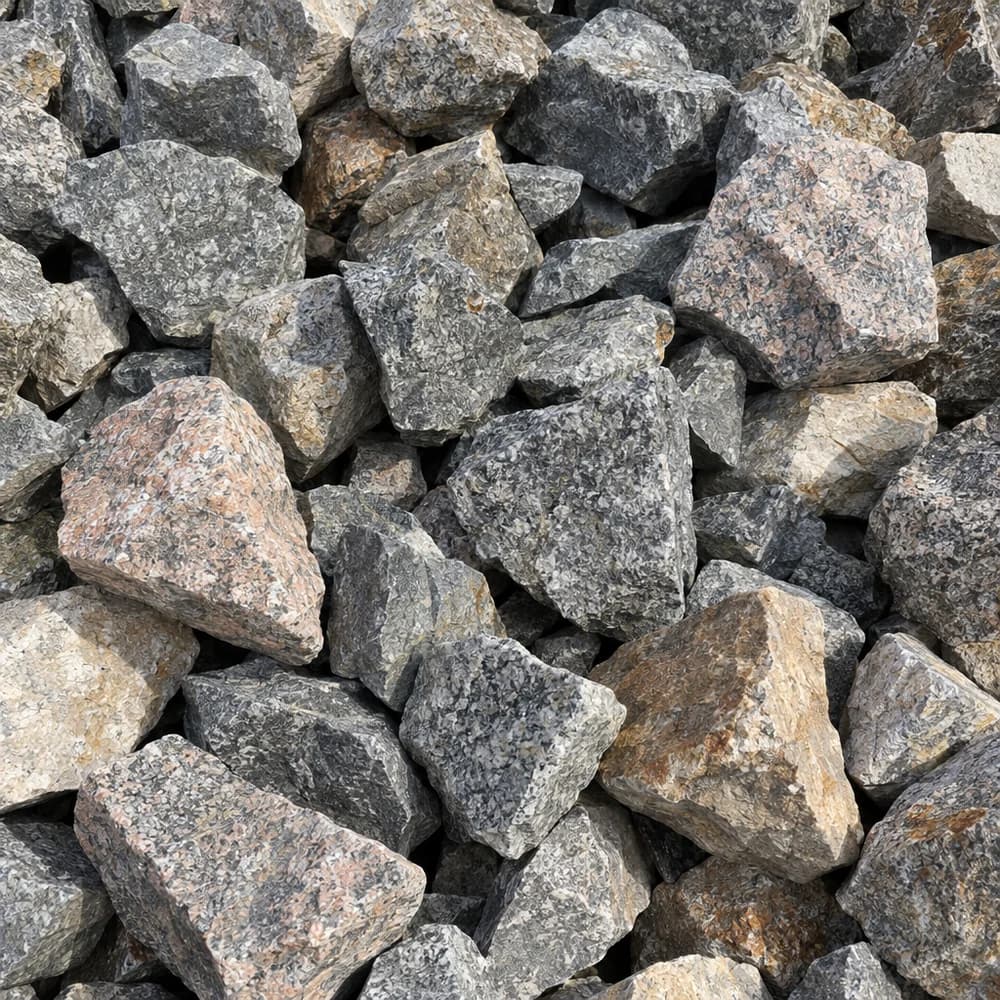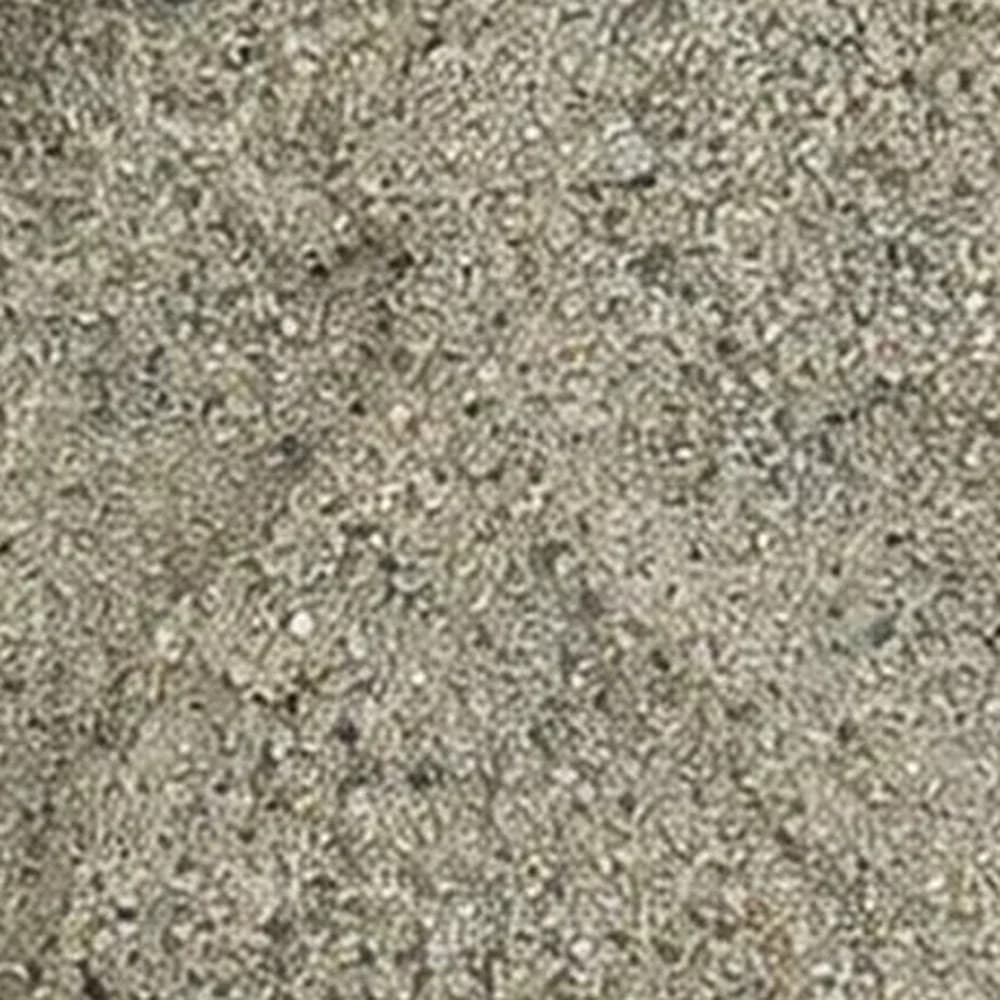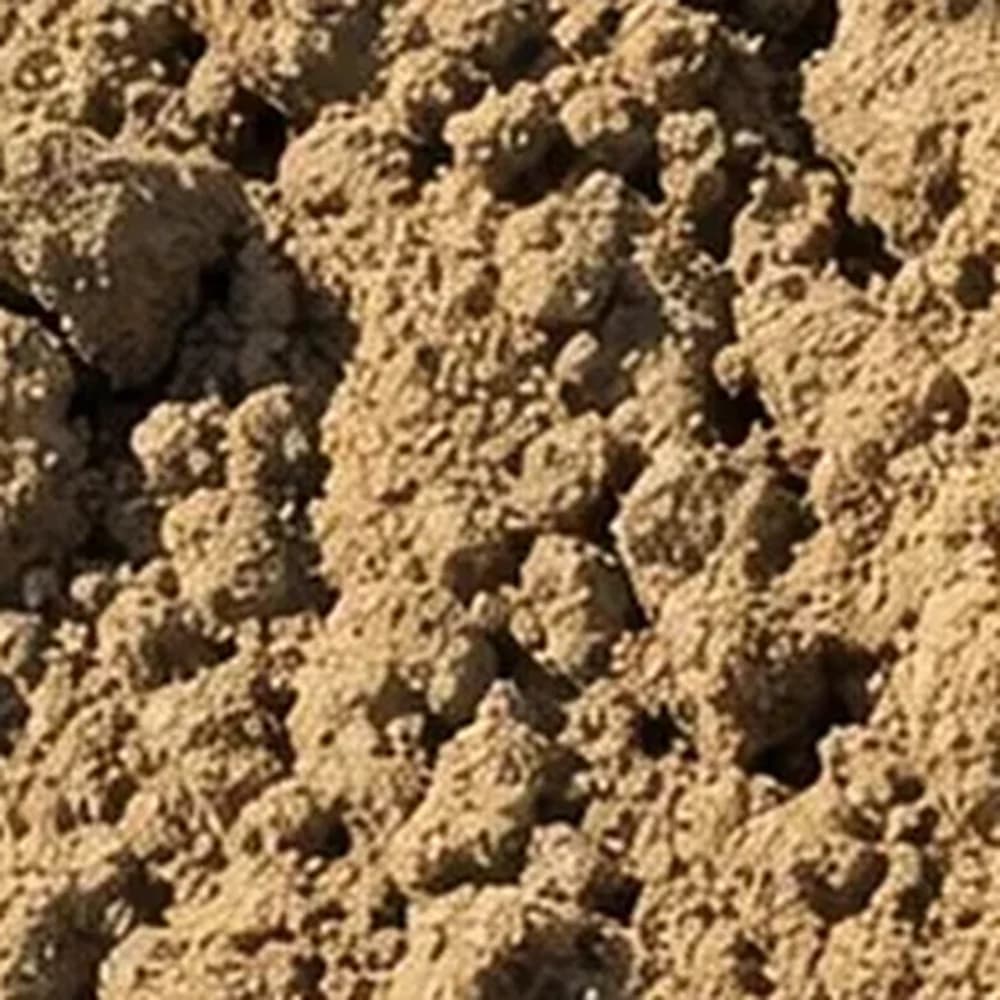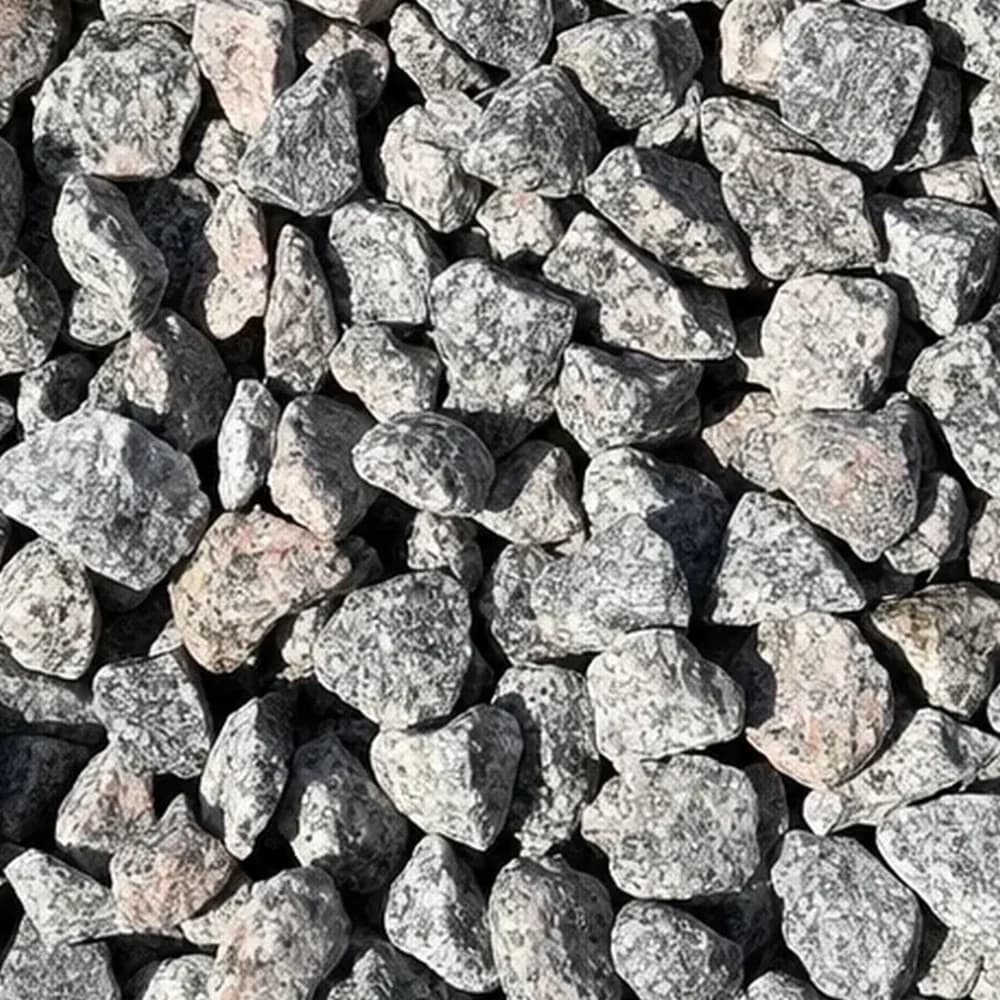
Driveway Gravel
3/4" stone for building or resurfacing a gravel driveway
From 1 Ton Delivered, FREE to your Doorstep
Cost per ton lowers the more you order!
Free delivery to Bozeman
Gallatin County, Montana · Free Delivery
Free delivery to Bozeman on every order, with loads arriving in as fast as 2 business days.
Delivering to Bozeman, MT
Free delivery on every order.
Crushed gravel and base materials that compact under tires.
3/4" stone for building or resurfacing a gravel driveway
From 1 Ton Delivered, FREE to your Doorstep
Cost per ton lowers the more you order!
Free delivery to Bozeman
3/8" stone that's comfortable underfoot for paths and walks
From 1 Ton Delivered, FREE to your Doorstep
Cost per ton lowers the more you order!
Free delivery to Bozeman
Stone-and-dust blend that packs hard under drives and patios
From 1 Ton Delivered, FREE to your Doorstep
Cost per ton lowers the more you order!
Free delivery to Bozeman
3/4" minus blend compacted under roads and heavy-load areas
From 1 Ton Delivered, FREE to your Doorstep
Cost per ton lowers the more you order!
Free delivery to Bozeman
Recycled 3/4" base for drives, pads and access roads
From 1 Ton Delivered, FREE to your Doorstep
Cost per ton lowers the more you order!
Free delivery to Bozeman
Graded crushed stone for drainage, concrete and heavy work.
Angular 3/4" stone for drainage beds and concrete slab bases
From 1 Ton Delivered, FREE to your Doorstep
Cost per ton lowers the more you order!
Free delivery to Bozeman
All-purpose stone up to 1" for drainage, concrete and bases
From 1 Ton Delivered, FREE to your Doorstep
Cost per ton lowers the more you order!
Free delivery to Bozeman
Small 3/8" stone for walkways, patios and driveway topping
From 1 Ton Delivered, FREE to your Doorstep
Cost per ton lowers the more you order!
Free delivery to Bozeman
1/4" to 3/4" stone for concrete mix, drain lines and beds
From 1 Ton Delivered, FREE to your Doorstep
Cost per ton lowers the more you order!
Free delivery to Bozeman
1/4" minus stone dust for paver bedding and leveling
From 1 Ton Delivered, FREE to your Doorstep
Cost per ton lowers the more you order!
Free delivery to Bozeman
Clean 3/4" to 1" rock for French drains and septic fields
From 1 Ton Delivered, FREE to your Doorstep
Cost per ton lowers the more you order!
Free delivery to Bozeman
3/8" minus chip for paver joints, chip seal and tight bases
From 1 Ton Delivered, FREE to your Doorstep
Cost per ton lowers the more you order!
Free delivery to Bozeman
3/32" to 3/8" clean stone for drainage and concrete mixes
From 1 Ton Delivered, FREE to your Doorstep
Cost per ton lowers the more you order!
Free delivery to Bozeman
3/4" to 1-1/2" stone for erosion control and heavy base
From 1 Ton Delivered, FREE to your Doorstep
Cost per ton lowers the more you order!
Free delivery to Bozeman
1" to 2-1/2" angular stone for track beds and equipment pads
From 1 Ton Delivered, FREE to your Doorstep
Cost per ton lowers the more you order!
Free delivery to Bozeman
4" to 12"+ rock for shorelines, slopes and culvert outlets
From 1 Ton Delivered, FREE to your Doorstep
Cost per ton lowers the more you order!
Free delivery to Bozeman
Clean 1/8" to 1/2" chip for paver bedding and walkway bases
From 1 Ton Delivered, FREE to your Doorstep
Cost per ton lowers the more you order!
Free delivery to Bozeman
1-1/2" to 2-1/2" washed stone for construction entrances
From 1 Ton Delivered, FREE to your Doorstep
Cost per ton lowers the more you order!
Free delivery to Bozeman
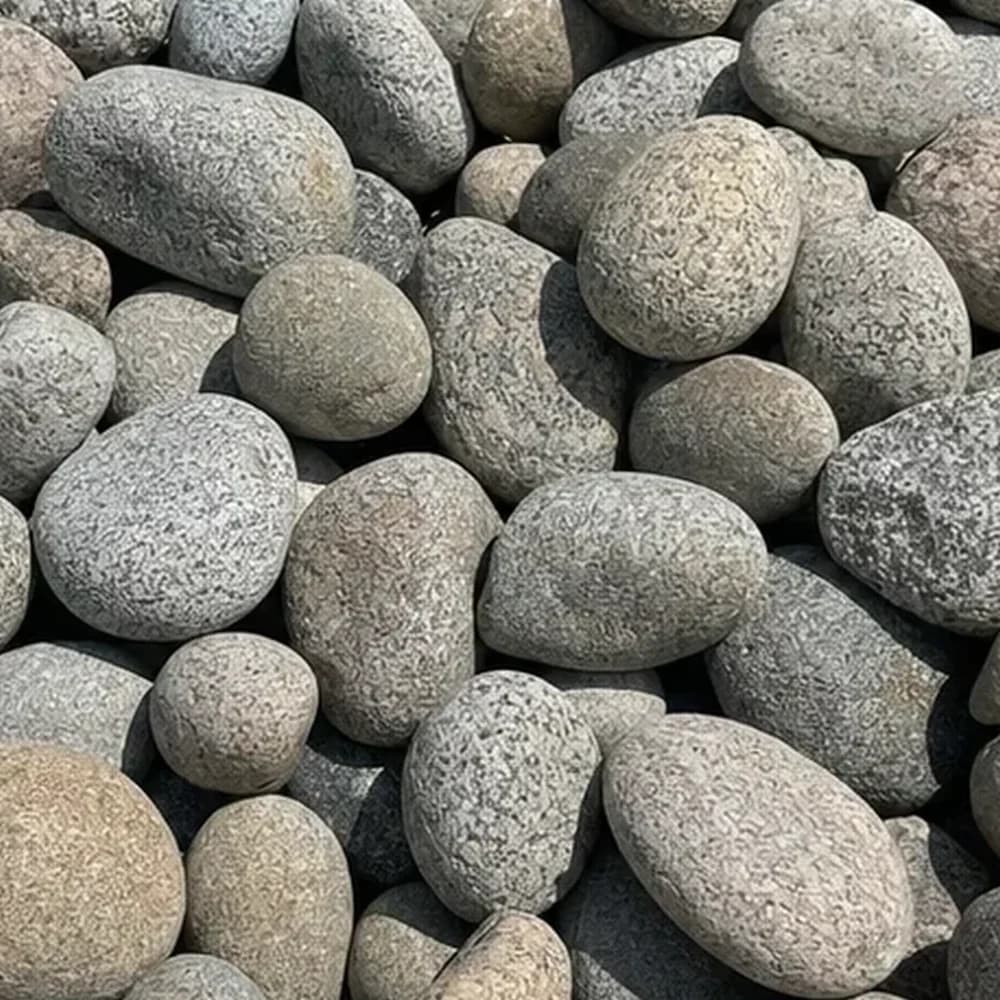
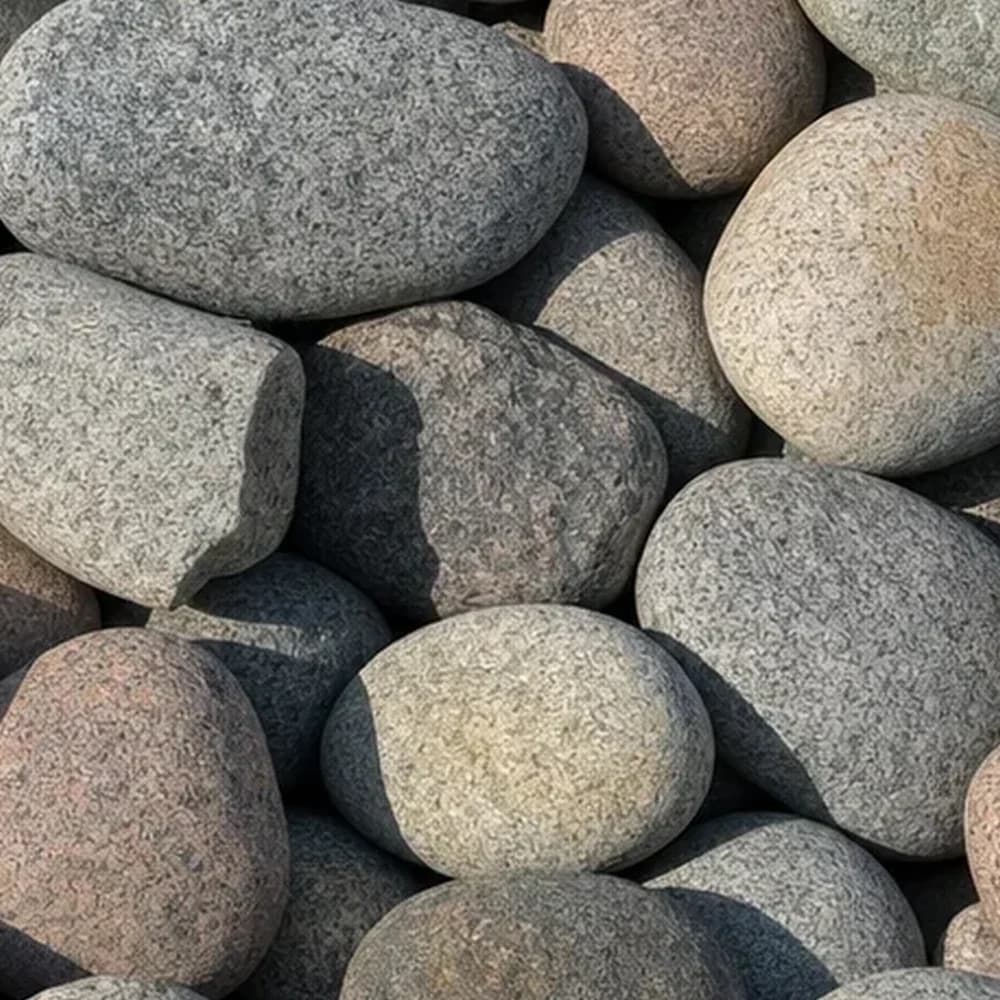
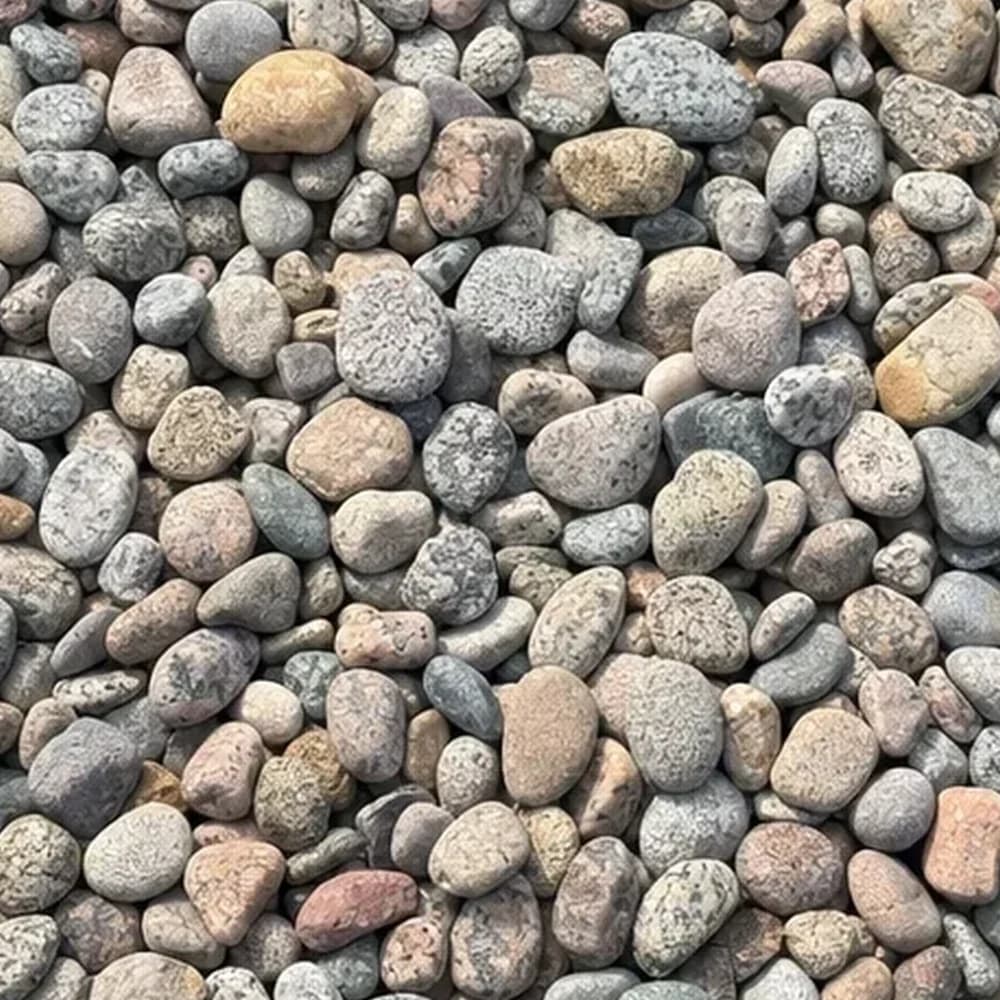
Rounded stone for beds, borders and water features.
Rounded 1" to 3" stones for beds, borders and drainage
From 1 Ton Delivered, FREE to your Doorstep
Cost per ton lowers the more you order!
Free delivery to Bozeman
Large 2" to 4" stones for water features and dry creek beds
From 1 Ton Delivered, FREE to your Doorstep
Cost per ton lowers the more you order!
Free delivery to Bozeman
Smooth 3/8" pebbles for paths, patios and play areas
From 1 Ton Delivered, FREE to your Doorstep
Cost per ton lowers the more you order!
Free delivery to Bozeman
Washed sand for masonry, concrete and leveling.
Fine sand for mortar, sandboxes and volleyball courts
From 1 Ton Delivered, FREE to your Doorstep
Cost per ton lowers the more you order!
Free delivery to Bozeman
Coarse, clean sand for concrete, backfill and leveling
From 1 Ton Delivered, FREE to your Doorstep
Cost per ton lowers the more you order!
Free delivery to Bozeman
Soil and fill by the ton, mulch by the cubic yard.
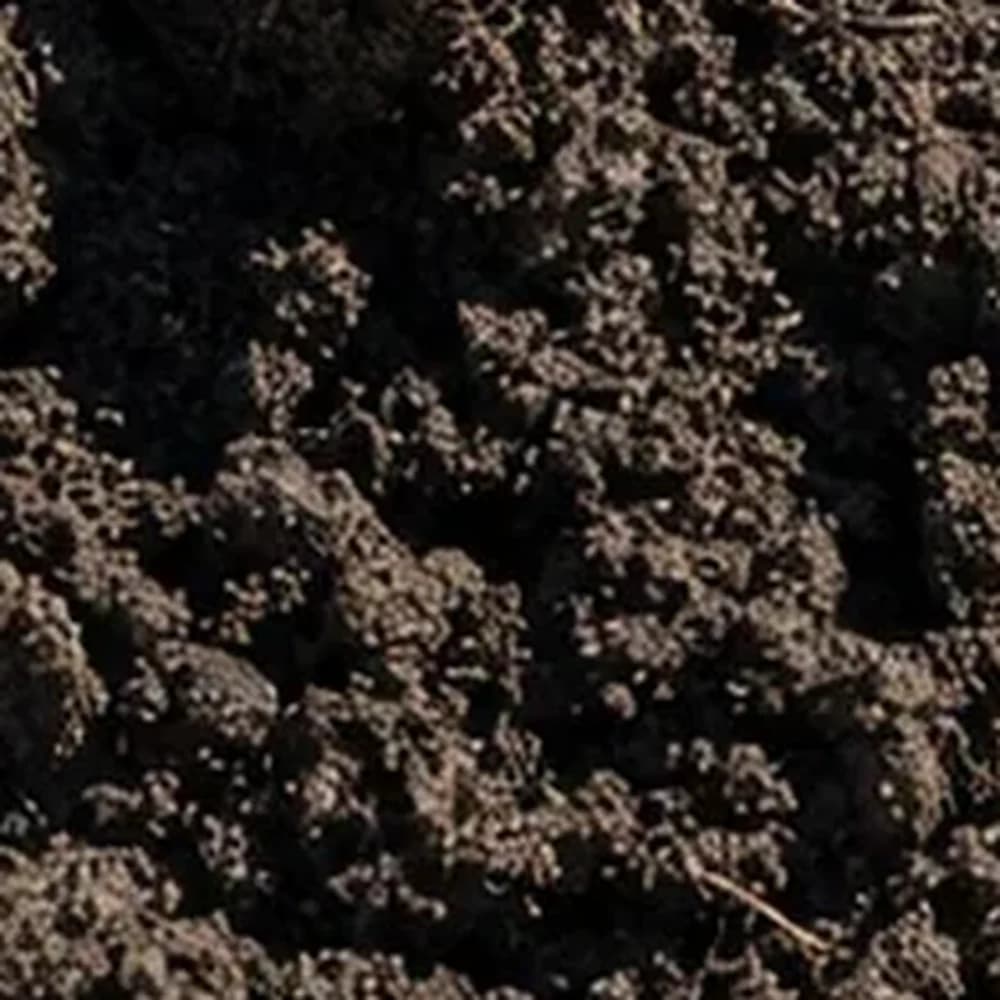
Screened topsoil for lawns, gardens and flower beds
From 1 Ton Delivered, FREE to your Doorstep
Cost per ton lowers the more you order!
Free delivery to Bozeman
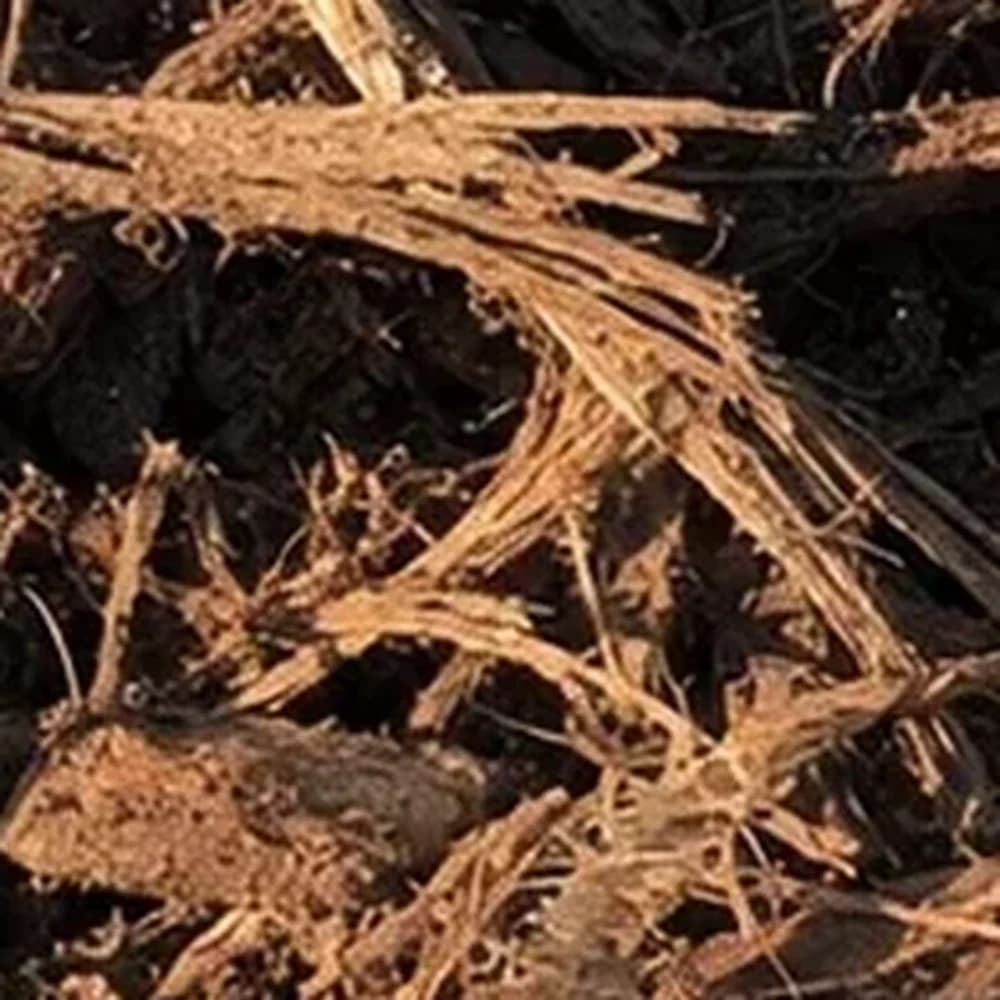
Hardwood mulch that holds moisture and keeps weeds down
From 1 Yard Delivered, FREE to your Doorstep
Cost per ton lowers the more you order!
Free delivery to Bozeman
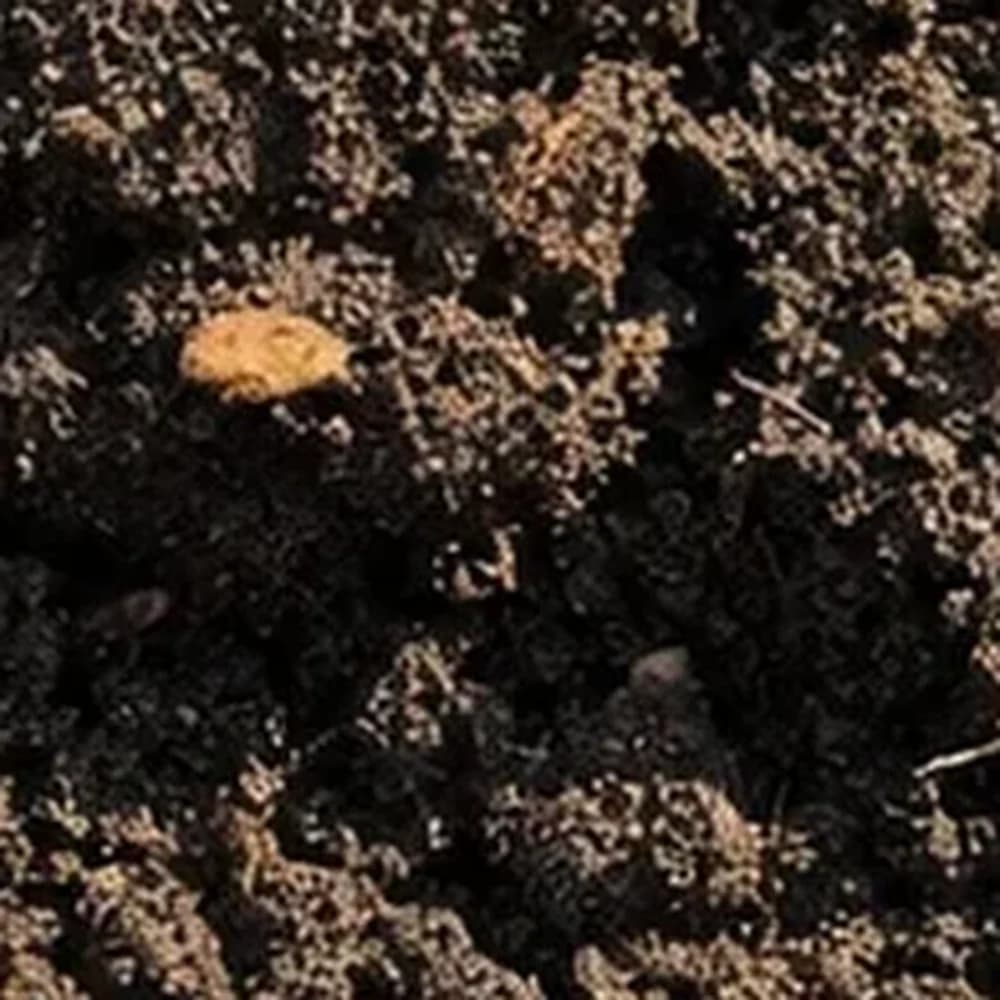
Compost-enriched soil for vegetable gardens and raised beds
From 1 Ton Delivered, FREE to your Doorstep
Cost per ton lowers the more you order!
Free delivery to Bozeman
Compactable dirt for grading, backfill and low spots
From 1 Ton Delivered, FREE to your Doorstep
Cost per ton lowers the more you order!
Free delivery to Bozeman
Pick the material and quantity.Open a product to see your price, with free delivery to Bozeman.
Choose a delivery date at checkout.As fast as 2 business days for most Bozeman addresses.
Clear a drop spot.The truck tips the load where you mark it. Note low wires or branches when you order.
Not sure how much you need?
Enter length, width and depth and the calculator returns the cubic yards and tons for your project.
Open the calculatorMontana Rock Supply handles gravel and aggregate delivery in Bozeman, MT, and the material that anchors most of that work is crushed base course. Local crews also call it 3/4 crushed base course or 3/4 minus.
It is the standard Montana base for driveways, shop pads and parking areas.
Bozeman sits in Gallatin County on gravelly alluvium and outwash, ground that takes water readily. What you build on top of it still has to be right.
You order online and pick a quantity by the ton or by the yard. Each product page has a calculator if you want to size the load before you check out.
Then you choose a delivery date at checkout and a dump truck tips the material on your site.
Delivery covers Bozeman and the rest of Gallatin County, including Belgrade, Manhattan, Three Forks, West Yellowstone and Gallatin Gateway. The truck tips the load in one pile where it lands.
Plan the spot before the truck arrives, because the driver does not place or spread it.
Raising grade and building pads is where a Bozeman project usually starts, and that work runs on fill and sub-base material before any finished surface goes down.
Fill Dirt is bulk fill for backfill and for bringing a pad up to grade. Pit Run is unprocessed pit gravel for deep fill and sub-base under a base course, not a finished driving surface.
Neither one is crushed, and neither is meant to be driven on as a final layer.
Once grade is set, 3/4 Crushed Base Course is the compacted layer a drive or pad is built on. It packs hard because it carries fines, and it is what a driveway, shop pad or shed base sits on.
For a driveway surface, Driveway Gravel is the Montana road mix, also called 3/4 road mix. It carries enough fines and clay binder to pack hard under a roller.
Stone Screenings, which local yards call crusher fines, bed pavers and flagstone and surface packed pathways.
Drainage is a separate job. Washed Rock is clean stone with the fines washed out, used for French drains, curtain drains, foundation drains and downspout runs.
Washed Sand levels and beds flatwork and pavers, and acts as concrete sand.
Across the Southwest and south-central mountain valleys, the ground runs from gravelly alluvium and outwash on the basin floors to clay-rich basin fill in places and thin stony soils over rock on the ranges that ring them. Gravel basin fill takes water readily.
Clay-rich basin fill does not.
That difference decides how an under-built base behaves. On clay-rich ground, water that cannot drain away sits in the subgrade and works on whatever sits above it.
Water arrives three ways here: snowmelt off the Great Divide, sudden summer thunderstorms falling on dry ground, and irrigation ditches crossing valley floors. Spring runoff and bank scour on the Gallatin and upper Yellowstone also move material, and burned mountain slopes above the valley can send gullying and debris flows downslope.
Bozeman sits on high ground with a short frost-free season, and hard overnight freezing with a daytime thaw runs through much of the year. Frost heave in drives and roads is a normal condition rather than only a spring event.
The frost depth commonly used in Bozeman is about 36 inches, and the local building department sets footing depth.
The working season is short. Base, driveway and paver work on the valley floors runs from late spring into early autumn.
Use crushed base course for the compacted layer, then bed the pavers in crusher fines or washed sand. Crusher fines, which Montana yards call screenings, bed pavers and flagstone.
Washed sand levels and beds flatwork and pavers. Both sit on top of a base course that has been built to the right depth for the ground under it.
Yes. Montana Rock Supply sells bulk gravel, crushed stone, sand, topsoil and aggregates to contractors and homeowners in Bozeman and across Gallatin County.
You order online, pick a quantity by the ton or by the yard, and choose a delivery date at checkout. A dump truck tips the load on site.
Crushed base course is the layer that carries a driveway, a shop pad or a parking area in Bozeman, and it starts with fill and sub-base brought up to grade. Order by the ton or by the yard from Montana Rock Supply and pick your delivery date at checkout.
Common questions about gravel and aggregate delivery in Bozeman, MT
Use crushed base course for the compacted layer, then bed the pavers in crusher fines or washed sand. Crusher fines, which Montana yards call screenings, bed pavers and flagstone. Washed sand levels and beds flatwork and pavers. Both sit on top of a base course that has been built to the right depth for the ground under it.
Yes. Montana Rock Supply sells bulk gravel, crushed stone, sand, topsoil and aggregates to contractors and homeowners in Bozeman and across Gallatin County. You order online, pick a quantity by the ton or by the yard, and choose a delivery date at checkout. A dump truck tips the load on site.
Place the order with the date you want and we confirm the delivery window back to you. Give us as much notice as you can for Bozeman so you get the slot you want rather than the one that is left, and tell us up front if the site is only reachable at certain times.