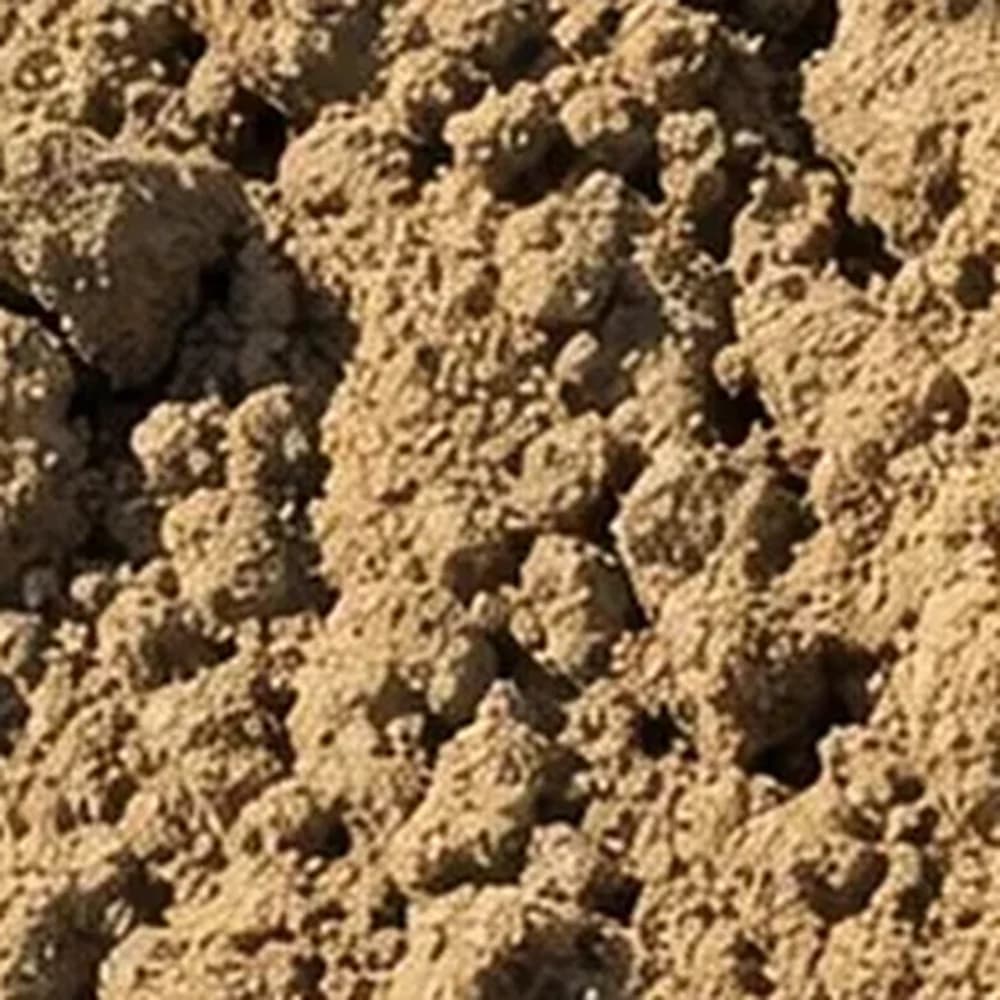
Dirt calculator for Montana
Work out fill dirt quantities in cubic yards or tons for grading, depressions, and excavations, with settlement included in the calculation.
Enter your project dimensions
Expect loose fill to settle by 10 to 15% in height. Ordering only enough for the measured excavation can leave the surface an inch or two below grade after the first hard rain, so the calculator keeps its 10% settlement factor active. Dry fill dirt weighs roughly 2,400 lb per cubic yard, or 1.2 tons, and is sold by the yard. Use topsoil, calculated separately, for any area intended to grow plants.
How to measure a fill job
- Find the square footage by multiplying the length and width in feet, then multiply by the average amount of fill needed. On an uneven low area, take a reading at the deepest spot and another at the shallow edge, then use the midpoint.
- For a trench or excavation, calculate the empty space by multiplying its depth, width, and length, using feet for each measurement.
- To change cubic feet into yards, divide by 27. Multiply that result by 1.2 for tons, and retain the settlement allowance.
Tons = cubic yards × 1.2 · +10% for settling is on by default
Coverage and weight
| Material | Weight per cubic yard | Tons per yard |
|---|---|---|
| Fill dirt (dry) | ≈ 2,400 lb | 1.20 |
| Fill dirt (wet) | up to 3,000 lb | 1.50 |
| Topsoil, for comparison | ≈ 2,200 lb | 1.10 |
| Depth of fill | 1 cubic yard covers | 5 yards cover |
|---|---|---|
| 2 inches | 162 sq ft | 810 sq ft |
| 4 inches | 81 sq ft | 405 sq ft |
| 6 inches | 54 sq ft | 270 sq ft |
| 12 inches | 27 sq ft | 135 sq ft |
Typical fill jobs and yard amounts
| Project | Typical size | Depth | Volume | Weight |
|---|---|---|---|---|
| Raise a low lawn area | 20 x 20 ft | 4" | 4.9 yd³ | 5.9 tons |
| Level a settled depression | 15 x 15 ft, avg 6" | 6" | 4.2 yd³ | 5 tons |
| Backfill a utility trench | 25 ft x 2 ft | 18" | 2.8 yd³ | 3.3 tons |
| Build a landscape berm | 20 x 6 ft | 12" | 4.4 yd³ | 5.3 tons |
| Backfill along a foundation | 60 ft x 2 ft | 10" | 3.7 yd³ | 4.4 tons |
Fill dirt basics and when not to use it
Fill dirt is mineral subsoil beneath the active topsoil layer, screened free of rock and debris. Its low organic content matters because organic material breaks down and settles. For changing grade, filling holes, backfilling trenches, or building berms, use fill dirt. Areas intended for grass or vegetables need 4 to 6 inches of topsoil over the fill. Save topsoil for the upper growing layer rather than the structural layer below.
Plan for settlement before ordering
A second load for the same excavation usually comes from settlement. Put material down in 6 to 8 inch lifts and compact every lift. If compaction is not available, soak each layer well and allow it to settle. For lawn repairs, leave the surface about a half-inch high so it settles flush. Fill beneath slabs or footings needs thinner lifts, equipment, and the compaction specification from an engineer. Keep organic debris out of fill, since buried wood can rot and leave a sinkhole on a five-year delay.
How wet conditions affect fill orders
Moisture changes the weight of fill, not the volume required, so the order amount stays the same. It can change the work plan. Wet fill will smear instead of compacting, especially in eastern gumbo clay conditions, and is rough to move by wheelbarrow. Plan delivery during a dry spell. A pile placed high drains off much of the rain, but cover it when storms are forecast so it can be spread days sooner.
Common fill dirt project questions
How many yards of dirt are required?
What does a yard of fill dirt weigh?
What is fill dirt made of?
What separates fill dirt from topsoil?
How much dirt fills a hole?
Where do I get fill dirt?
How many yards fit in a dump truck?
Should fill dirt be compacted?
Other calculators
Fill dirt by the yard, delivered to your gate at no delivery charge.
Fill dirt for grading and backfill, delivered across Montana.