Fill Dirt in Montana
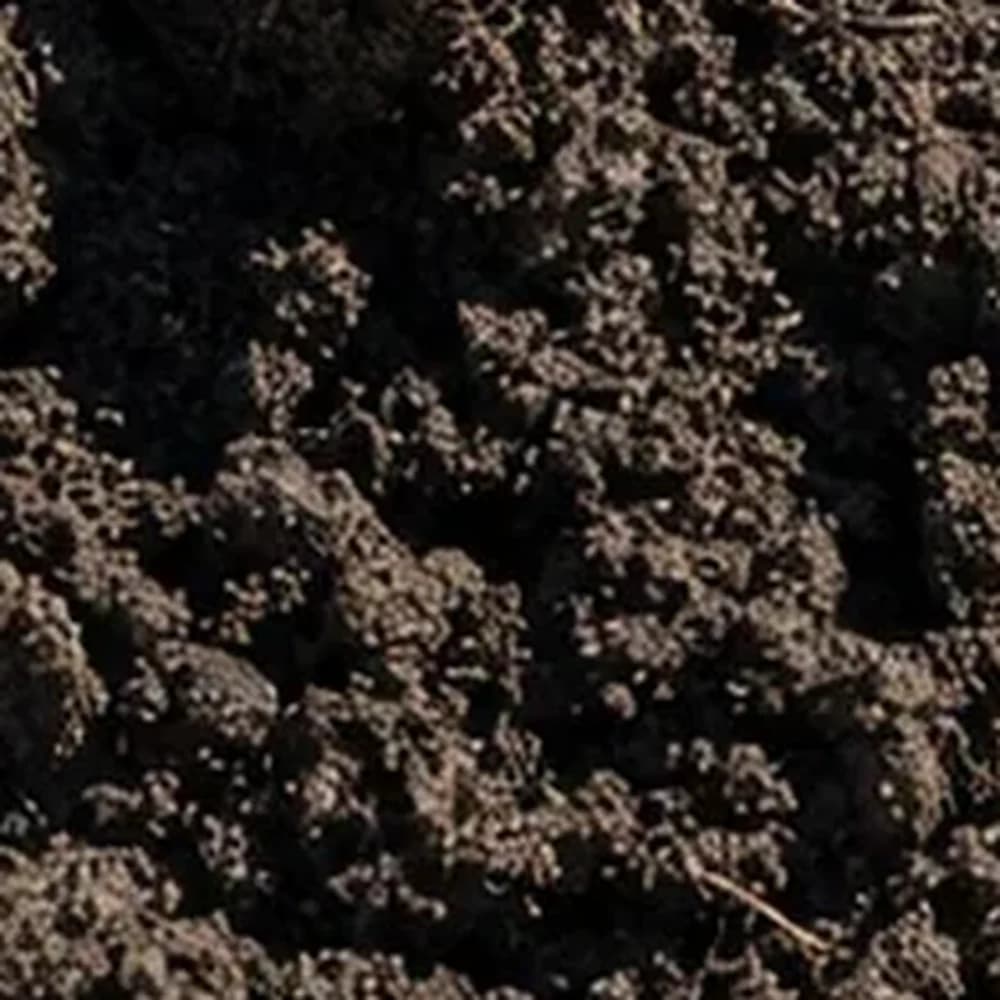
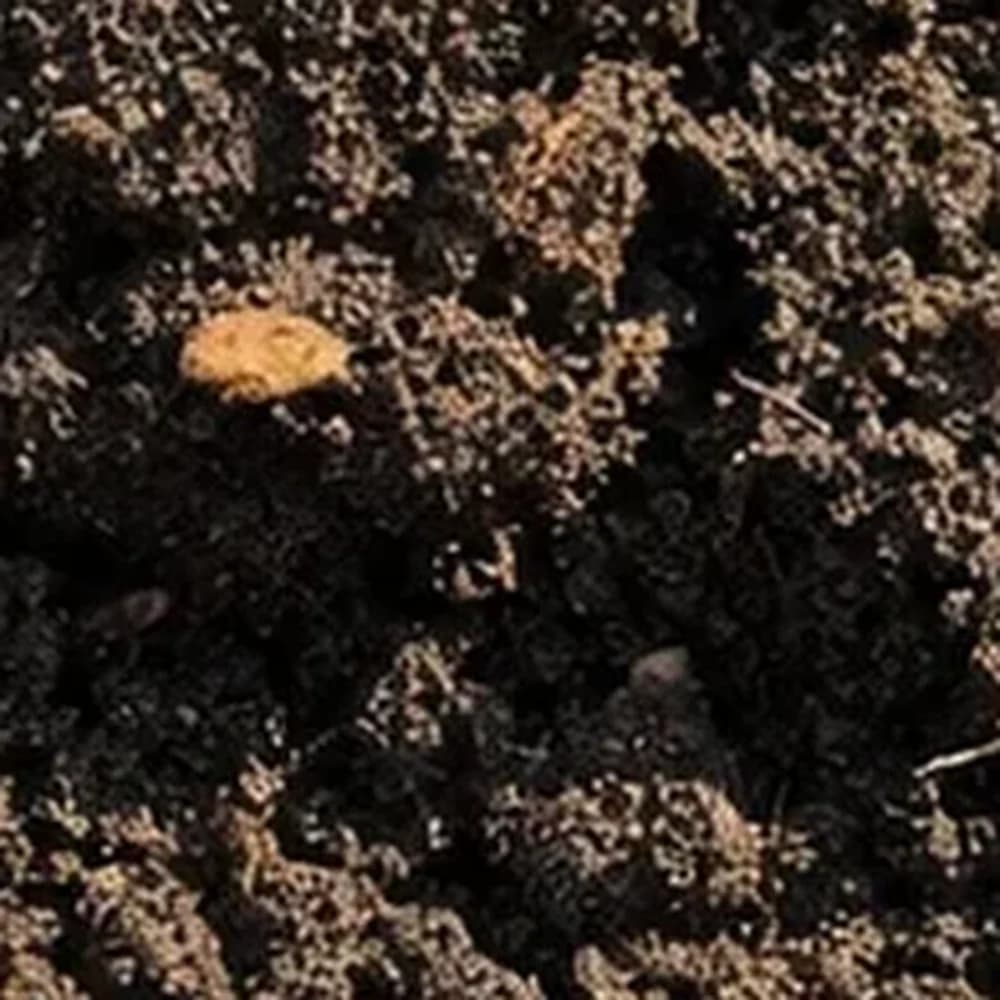
For a Montana ranch road or barn area, Fill Dirt supplies workable material for raising low ground, restoring excavations, and shaping the site before surface work.
- Size: Screened to remove large rocks, roots and debris
- Grading: Minimal organic matter
From $247 for 1 ton, delivery included
Larger loads cost less per ton: 2000 tons is $64,840 ($32.42 per ton). Pick any quantity below for a delivered price.
Free delivery included
Free delivery anywhere in Montana
Pick a delivery date
Weekday delivery, earliest Oct 15
Get a Free Quote
Fill out the form and our sales team will get back to you within the hour.
Everything You Need to Know About Fill Dirt
Size and Grading
- Size
- Screened to remove large rocks, roots and debris
- Grading
- Minimal organic matter
Ranch roads and shop or barn pads depend on ground that is brought to the intended contour before surface materials go down. Fill Dirt gives Montana property owners mineral soil for filling hollows, building up an approach, or returning soil around an excavation. Its low organic content makes it a better fit for this kind of ground work than soil intended to support plant growth. Once placed, it can be compacted to create a stable subgrade for later layers.
East of the Continental Divide, gumbo clay can become difficult when wet and hard when dry, while western valleys have more freely draining alluvial ground. Deep frost and repeated freeze-thaw make drainage planning important across both settings. Shape the fill so runoff has a clear route away from the graded area. Where the completed grade will become lawn or planting space, cover the shaped Fill Dirt with topsoil before seeding or planting.
Quickly Calculate How Much You Need
Material: Fill Dirt
How to Measure
Measure the length and width of your project area in feet
Decide on depth in inches (2" for landscaping, 4" for driveways)
Enter the values above and we'll calculate the tonnage you need
Need help figuring out the right amount? We can help!
Call or text us at (406) 626-8957 and we'll help you calculate the right quantity for your project.
Not sure how much you need? The Dirt Calculator has depth guides, coverage charts and worked examples for this material.
Common Uses
Grading the Site
Use fill dirt to shape grades at building sites, home lots, and commercial parcels. You can form slopes and contours for runoff, structure placement, and the planned landscape. Deep frost and freeze-thaw cycling make proper base preparation especially important here.
Foundation Backfill
Use compactable fill dirt around foundation walls, retaining walls, and other structures below ground. Because it contains limited organic material, it does not break down and sink the way organic-heavy soil can, helping maintain support over the long term.
Raising Low Areas
Add fill dirt where low spots hold water, become muddy, or create drainage concerns. Raising the grade guides water away from buildings and occupied areas to help manage recurring moisture problems.
Filling Holes and Voids
Bulk fill dirt can close up unused pools, old basement areas, excavated spaces, and sizable depressions. Once compacted, it creates firm ground for the site's next purpose, such as building work or installing a lawn.
Why Choose Fill Dirt
Budget-Friendly Bulk Fill
For high-volume grading and fill jobs that do not require topsoil-quality material, fill dirt is the most affordable bulk earthwork option. It helps make more room in the budget for grading and fill work.
Dense Compaction
Mineral-based fill dirt can be compacted firmly and is resistant to settlement over time. This makes it important beneath structures, pavement, and soil layers where later subsidence is a concern.
Long-Term Grade Stability
Fill dirt has very little organic matter, unlike soils that can break down or shrink. The grade you build is therefore less prone to changing as the project ages.
All-Purpose Earthwork Fill
Use fill dirt for rough grading, backfilling, and filling voids as a site is prepared. It forms the base for the construction or landscaping work that follows.