Sand calculator for Montana
Estimate washed or mason sand by tons or cubic yards, then use the depth that suits the specific project.
Enter your project dimensions
For each cubic yard, dry sand is about 2,700 lb, equal to 1.35 tons. Rain can bring wet sand to 3,200 lb, making the pile heavier to handle without changing the amount ordered. Enter the area and depth to calculate yards and tons for mason and washed sand. Check the depth notes below carefully: applications range from a 1-inch paver bed to a 6-inch sandbox.
Sand calculation steps
- Start by measuring in feet. For circular areas such as pools and fire pits, enter the diameter and let circle mode calculate the area.
- Follow the specified depth for the application. The required depths appear in the section below.
- Divide cubic feet by 27 to calculate cubic yards. Multiply yards by 1.35 to find dry-sand tons.
Job-specific sand depths
- Keep a paver bed to 1 inch of screeded coarse sand. A deeper layer can allow later movement in the pavers. The Paver Sand Calculator explains the full base arrangement.
- Use 6 inches of washed sand in a sandbox. A box measuring 8 x 8 needs about 1.2 yards and 1.6 tons.
- Set an above-ground pool on 2 inches of mason sand, leveled completely flat. Do not leave stones against the liner.
- For leveling turf, work a quarter to a half inch of sand into the soil. On Montana gumbo clay, a separate sand layer can stop roots from passing through.
- For ordinary concrete and mortar batches, plan for a ton of sand for 7 to 8 bags of cement, using the specified mix ratio.
Sand coverage and weight
| Depth | 1 cubic yard covers | 1 ton covers |
|---|---|---|
| 1 inch | 324 sq ft | ≈ 240 sq ft |
| 2 inches | 162 sq ft | ≈ 120 sq ft |
| 3 inches | 108 sq ft | ≈ 80 sq ft |
| 6 inches | 54 sq ft | ≈ 40 sq ft |
| Project | Typical size | Depth | Volume | Weight |
|---|---|---|---|---|
| Paver bedding layer | 20 x 15 ft patio | 1" | 0.9 yd³ | 1.3 tons |
| Kids' sandbox | 8 x 8 ft | 6" | 1.2 yd³ | 1.6 tons |
| Above-ground pool base | 15 ft round | 2" | 1.1 yd³ | 1.5 tons |
| Volleyball court refresh | 30 x 60 ft | 2" | 11.1 yd³ | 15 tons |
| Lawn leveling blend | ≈ 500 sq ft | 0.5" | 0.8 yd³ | 1 tons |
Choosing mason or washed sand
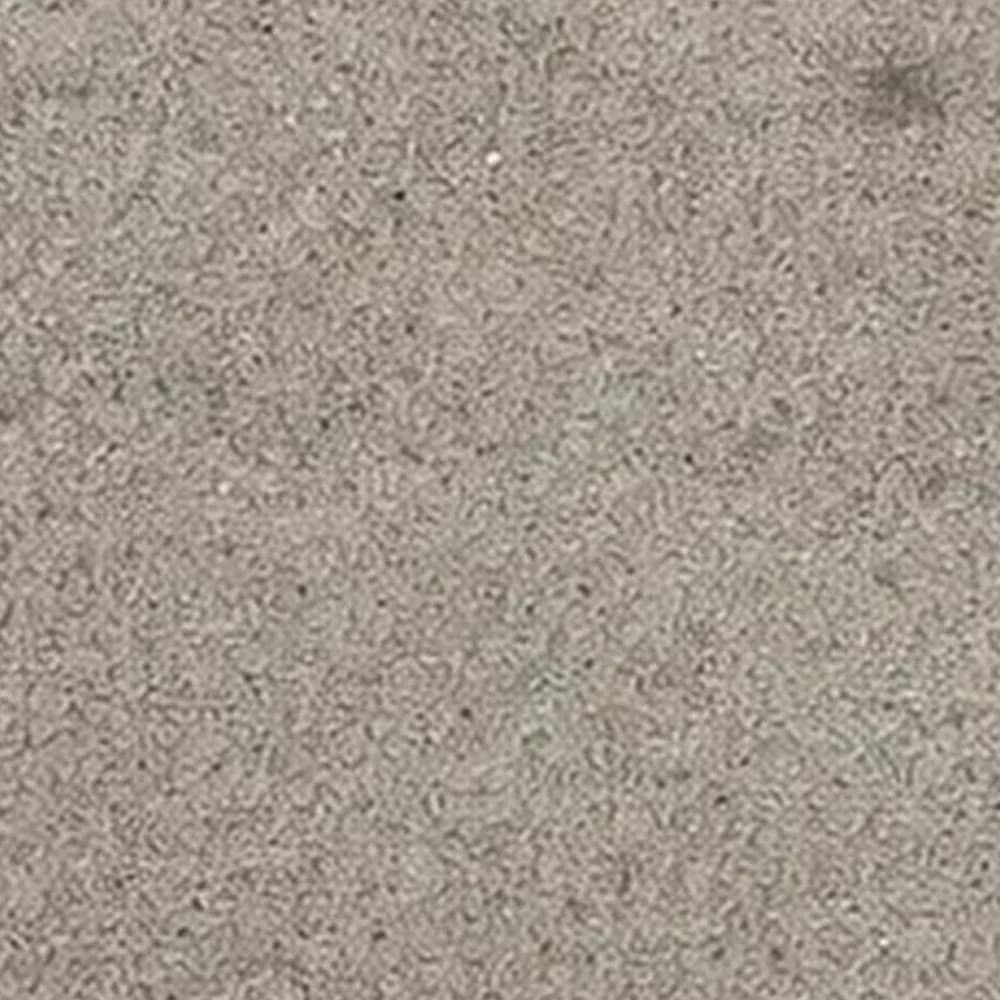
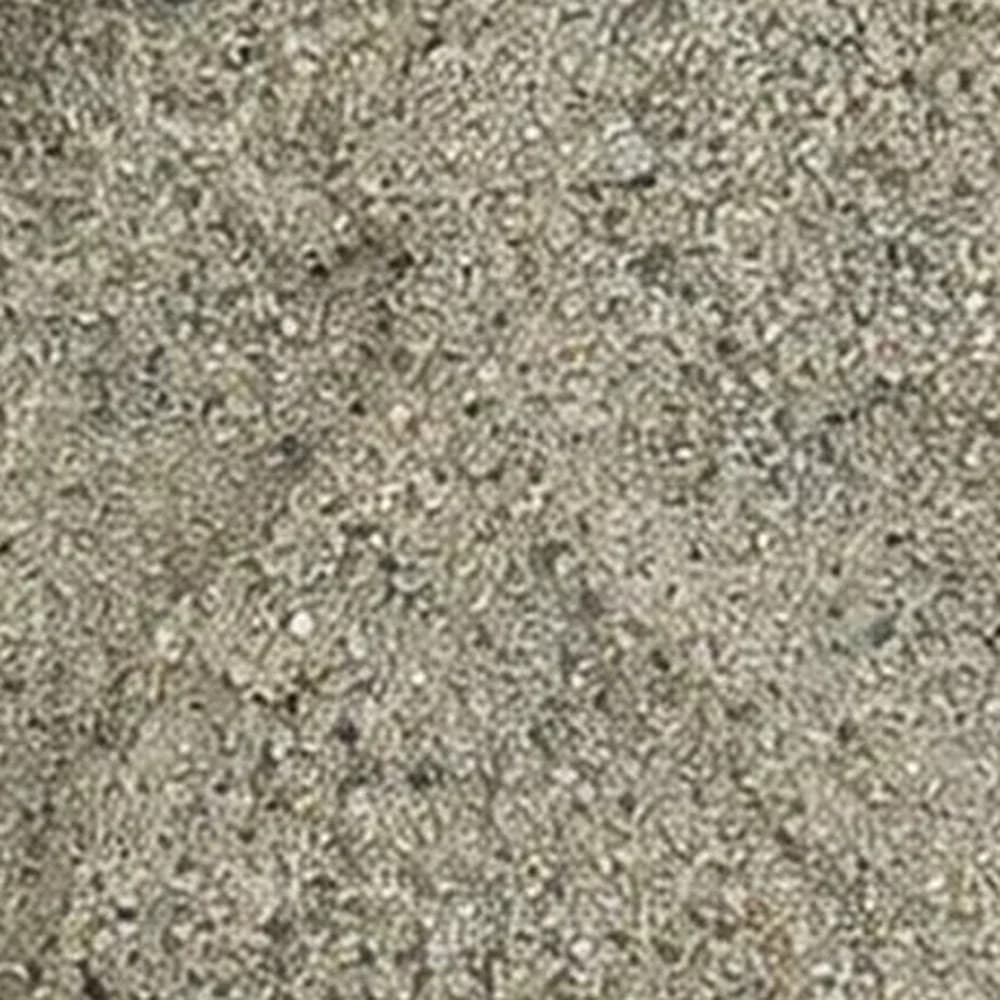
Use finer, more uniform mason sand where a smooth grain is needed, including mortar, paver joints, pool bases, and similar work. Washed sand has clay and silt rinsed out, making it suitable for bedding, sandboxes, and general mixes. Since both have the same weight per yard, either selection produces the same calculator result. For pool bases, mason sand is commonly used for its smooth finish.
Comparing bags to bulk sand
A 50 lb bag contains about half a cubic foot, while 54 bags equal a cubic yard. At 1 inch of depth, each bag spreads over roughly 6 square feet. For a 300-square-foot bedding area, that works out to 25 store-bought bags or one bulk ton delivered free. Cover stockpiled sand with a tarp, since wet material is harder to screed and may weigh a fifth more with each shovel.
Concrete and mortar sand amounts
When mixing at the site, a 3:2:1 concrete batch of stone, sand, and cement uses about a ton of sand per 7-8 bags of cement. Mortar for a 100-block wall needs roughly a third of a ton of mason sand. Select washed sand for concrete and mason sand for mortar. For structural work larger than a yard or two, check ready-mix costs against the DIY calculation before setting aside the weekend.
Frequently asked sand quantity questions
What quantity of sand is needed?
How heavy is a yard of sand?
How many 50 lb sand bags make a yard?
What amount of sand fills a sandbox?
Which sand belongs below an above-ground pool?
Which sand should be used for paver beds and joints?
Do you sell sand by ton or by yard?
Other calculators
Two types of sand with free delivery.
Get mason and washed sand by the ton with free delivery throughout Montana.