Pit Run in Montana
Also sold as Crusher Run
Also known as: bank run, pit gravel
Pit Run gives Montana ranch roads, shop pads, and driveway approaches a bound base that stands up to wet clay and deep frost.
- Size: 3/4 inch minus
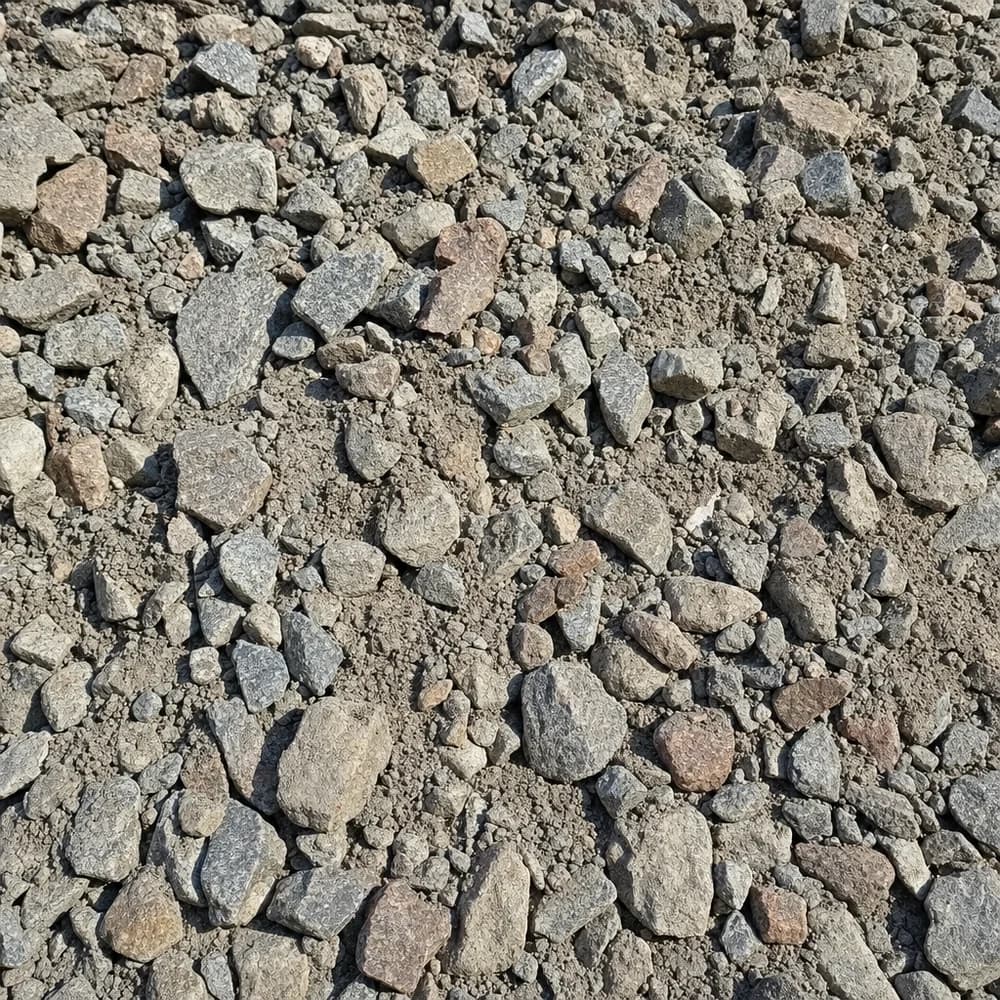
- Grading: Crushed stone blended with stone dust and fine particles
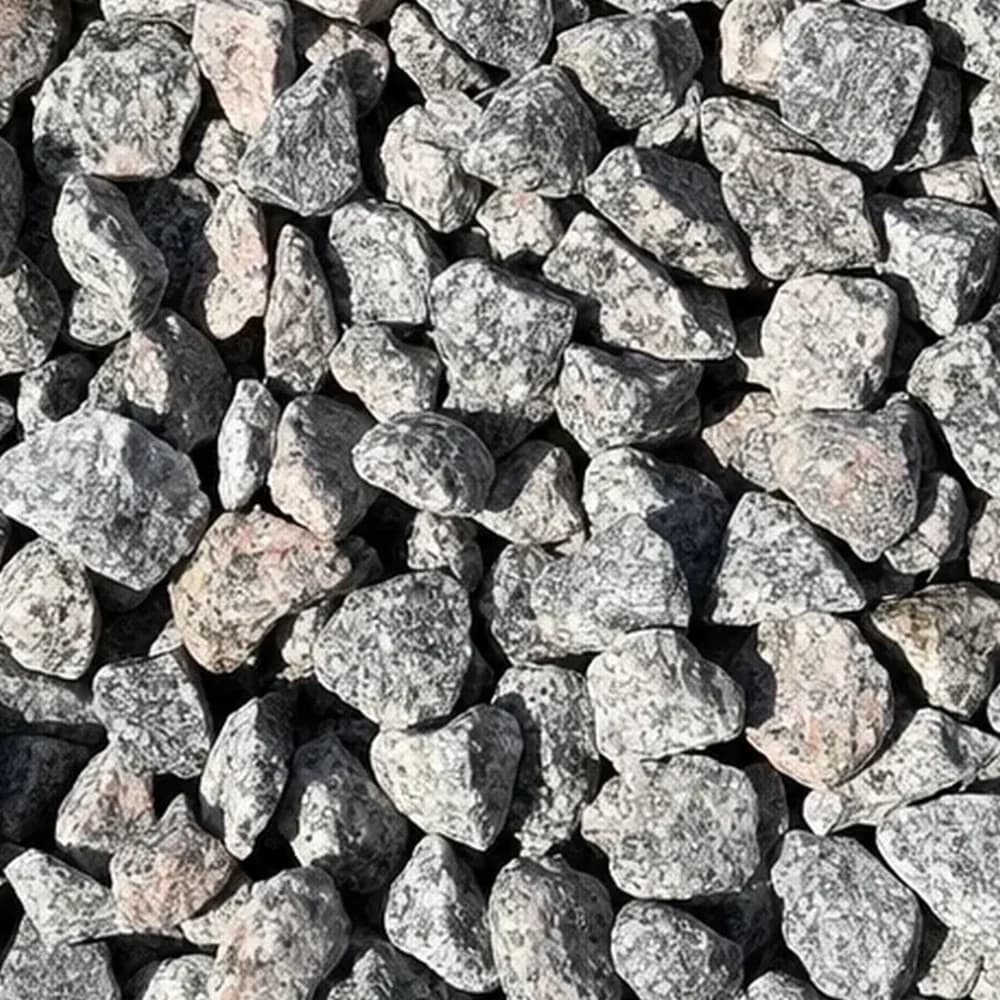
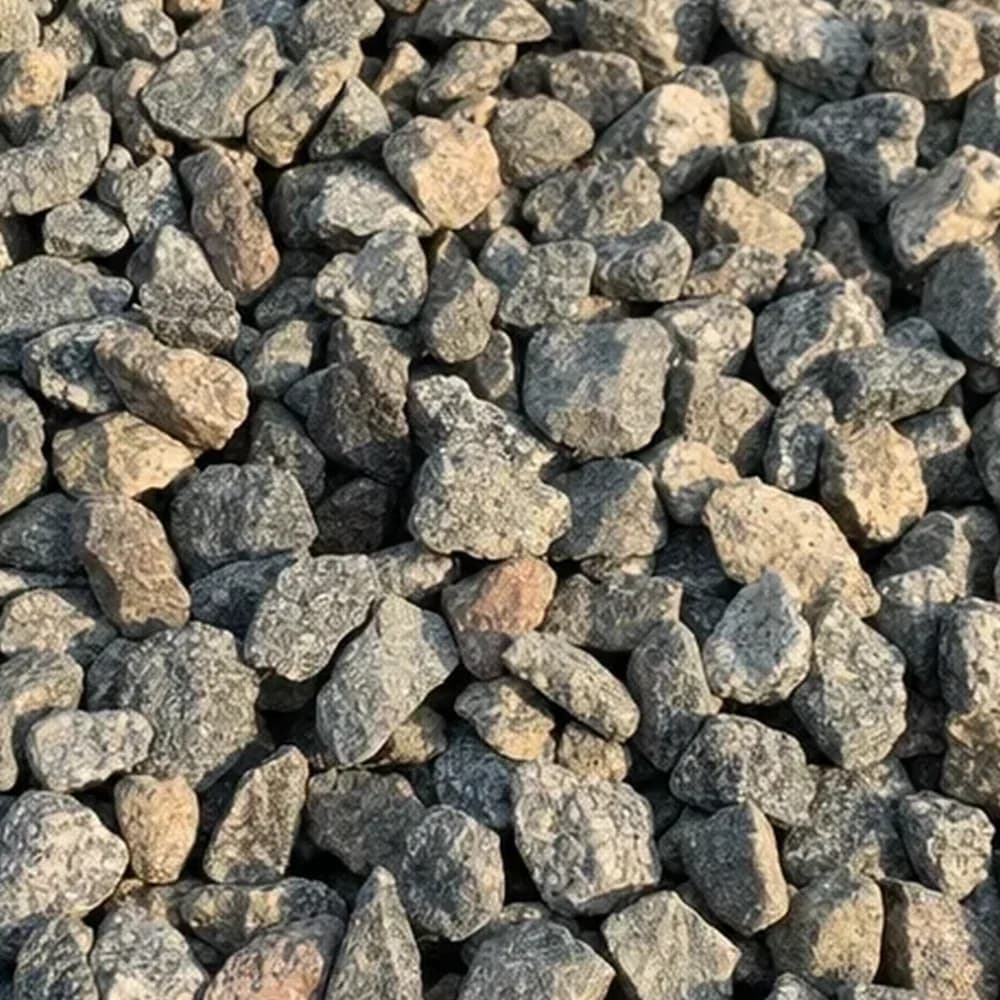
- Type: Angular crushed stone
From $383 for 1 ton, delivery included
Larger loads cost less per ton: 500 tons is $23,785 ($47.57 per ton). Pick any quantity below for a delivered price.
Free delivery included
Free delivery anywhere in Montana
Pick a delivery date
Weekday delivery, earliest Oct 15
Get a Free Quote
Fill out the form and our sales team will get back to you within the hour.
Everything You Need to Know About Pit Run
Size and Grading
- Size
- 3/4 inch minus
- Grading
- Crushed stone blended with stone dust and fine particles
- Type
- Angular crushed stone
At the base stage, Pit Run belongs below ranch roads, shop pads, and driveway approaches before the surface material goes on. The crushed pieces and fine dust pack together, with the smaller material occupying open spaces between the stone. That makes a cohesive supporting layer rather than a bed of loose aggregate. East of the Continental Divide, gumbo clay can turn slick in wet weather, while valley gravel elsewhere drains more readily. In either setting, a tightly compacted base helps keep the surface supported through deep frost and thaw cycles.
Prepare the ground so water has a route away from the work, then place Pit Run on the shaped subgrade. Add moisture when the material is dry enough to resist binding, and compact it thoroughly so the blend closes up. This approach is useful beneath a ranch road or barn pad, where the base must carry traffic without leaving the upper surface to bridge soft spots.
Quickly Calculate How Much You Need
Material: Pit Run
How to Measure
Measure the length and width of your project area in feet
Decide on depth in inches (2" for landscaping, 4" for driveways)
Enter the values above and we'll calculate the tonnage you need
Need help figuring out the right amount? We can help!
Call or text us at (406) 626-8957 and we'll help you calculate the right quantity for your project.
Not sure how much you need? The Crusher Run Calculator has depth guides, coverage charts and worked examples for this material.
Common Uses
Driveway & Parking Base
Crusher run provides a compacted layer below driveways and parking areas. It supports vehicle traffic and helps limit rutting, settlement, and surface wear.
Patio & Walkway Foundation
A well-compacted crusher run layer gives pavers, flagstone, and concrete an even bearing surface. Put it below the finished material to help the installation resist settling and movement through deep frost and freeze-thaw cycling.
Structure Pads
For outdoor structures such as gazebos, sheds, and hot tubs, a compacted crusher run layer makes a firm, level pad. It spreads the weight across the pad and helps reduce settlement that could affect the structure.
Grading & Site Preparation
Before construction starts, crusher run can bring low ground up to grade and prepare the work area. After compaction, it forms a stable surface for equipment and building activity.
Why Choose Pit Run
Maximum Compaction
Because crusher run includes both rock pieces and fines, compaction packs the material tightly as smaller particles fill spaces between larger ones. The dense base helps reduce movement and settling when it carries heavy loads.
Self-Cementing Action
Moisture and compaction draw the fine material around the larger rock in crusher run, forming a bound base. As the material sets up, that bond can strengthen and may lessen the need for extra stabilizers.
Economical Performance
Crusher run is a base aggregate used where a compacted layer is needed. It can be installed for a range of construction and site-preparation applications.
Base Material Uses
Crusher run works for driveway, foundation, and structural-base projects. Compaction binds its stone and fines into a stable layer.