Buy Bulk Gravel, Sand and Soil in Montana
Find your town: all 303 Montana cities we deliver to
Browse them A to Z: Absarokee to Otter · Outlook to Zurich.
Montana Rock Supply handles bulk gravel and aggregate delivery across Montana, and crushed base course is where most ground work starts. Snowmelt runs late into spring, and cloudburst thunderstorms drop hard rain on ground that sheds it.
Clay subgrades push water sideways instead of taking it in. The right stone size answers that, and the sizes below are the ones Montana yards stock and Montana crews name.
Materials Delivered Across Montana
Crushed base course, also called 3/4 minus, is the standard Montana base material. It goes under driveways, shop pads, parking areas and shed bases.
Montana specifies base material as crushed base course.
The MDT Standard Specifications for Road and Bridge Construction cover it under Section 701.02.4, naming grades by nominal top size: Grade 5A at 2 inch minus and Grade 6A at 1 1/2 inch minus, with a 3/4 inch minus grade, 7A, developed as pit sources for the larger sizes ran short.
City and county work is more often written against Section 02235, Crushed Base Course, of the Montana Public Works Standard Specifications. County road standards call sizes out the same way, as 3 inch minus sub-base and 1 inch minus crushed base or top course.
Pit run is unprocessed pit gravel. It goes in deep fill, raising grade and sub-base under a crushed base course or a road mix surface, not as a finished driving surface.
Road mix, also called 3/4 road mix or driveway gravel, surfaces a drive or a county-style lane. Montana road mix carries enough fines and clay binder to pack hard.
Washed rock, also called drain rock or 3/4 clean, goes in French drains, curtain drains, foundation drains and downspout runs. Washing the fines out is the whole point.
Crusher fines, also called screenings or stone screenings, bed pavers and flagstone and surface packed pathways. Montana yards say crusher fines.
Riprap, also called rip rap, armor rock or shot rock, armors stream banks, culvert outlets, coulees, ditches and slopes against spring runoff.
River rock and large river rock are rounded, river-washed stone for decorative beds, borders, dry creek beds and splash pads under downspouts. Screened topsoil, garden soil and fill dirt cover lawns, raised beds, planting areas, backfill and grade raising.
Mason sand and washed sand serve brick and block work, paver joints, bedding under flatwork and play areas. Shredded mulch holds on slopes and in wind better than nuggets.
Ground and Climate Across Montana
Montana splits at the Great Divide. West of it, ground runs to mountain and intermontane valley material: glacial till, valley outwash gravel, and deep Glacial Lake Missoula silt and clay on the valley floors.
Around Flathead Lake and the lower Clark Fork, the Flathead lobe left till and outwash, with deep lake silt and clay on the valley floors and gravel benches above them. About 42 inches is the figure commonly used around Kalispell, and the local building department sets footing depth.
Glacial Lake Missoula silt and clay covers the floors of the Missoula, Bitterroot and Clark Fork valleys, with coarse sand and gravel outwash along the rivers. About 36 inches is the figure commonly used in Missoula, with deeper figures at higher elevation.
Southwest and south-central mountain valleys hold gravelly alluvium and outwash on the floors of the Helena, Gallatin, Madison, Beaverhead and Paradise valleys, with clay-rich basin fill in places. About 36 inches is the figure commonly used in Bozeman and about 48 inches in Helena.
The Rocky Mountain Front runs gravelly glacial till and outwash that grades east into deep clay and silty prairie soils, with cobble alluvium on creek bottoms. Published north-central Montana figures start around 42 inches and run deeper.
Central Montana benchlands and the Judith Basin carry deep silty and clayey prairie soils, gravelly terraces along the Missouri, Judith and Musselshell, and shallow stony ground on the island ranges. About 42 inches is the figure commonly used in Great Falls.
The Hi-Line and the northern glaciated plains sit on glacial till over shale, a mix of clay, gravel, sand and silt left by ice and glacial lakes, much of it heavy and slow-draining. Figures published across Montana run from about 36 to 60 inches, and the northern plains sit at the deep end.
Eastern plains, the Missouri Breaks and badlands are bentonite-rich gumbo clay weathered off marine shale, with badlands, scoria beds and broken ground, plus sand, gravel and cobble terraces along the Yellowstone, Missouri and Powder. Eastern plains figures are usually quoted at the lower end of the 36 to 60 inch range.
The Yellowstone Valley and the Beartooth foothills hold river terrace sand, gravel and cobble along the Yellowstone and Clarks Fork, silty loam bench soils above, and shale-derived clay on the rims. Figures quoted for Billings run about 36 to 42 inches, deeper toward Red Lodge.
Montana has no single statewide frost depth. The residential code leaves the frost line depth column for each jurisdiction to fill in, and the state rule sets only a 24 inch minimum footing depth unless local conditions require deeper.
Wind on open plains ground cuts gullies and rills in shale and clay badlands and coulees. Bank scour hits the Yellowstone, Missouri, Clark Fork and Flathead at spring high water, and burned slopes run fast.
The working season is short. Base, driveway and paver work runs from spring breakup into autumn, with a shorter window at elevation, and frozen ground stops compaction through the winter.
Where We Deliver in Montana
Delivery covers the state, from Glacier Country and the Flathead and Kootenai country down through Southwest Montana and the western valleys.
Central Montana, the Rocky Mountain Front, the Hi-Line and Missouri River Country are all inside the delivery area, along with Yellowstone Country, the Beartooth foothills and Southeast Montana.
Counties served include Yellowstone County, Gallatin County, Missoula County, Flathead County, Cascade County, Lewis and Clark County, Ravalli County, Silver Bow County, Lake County, Lincoln County, Park County and Hill County.
How to Order and Size a Load
Order online and choose your quantity by the ton or by the yard. Each product page has a calculator to help size the load.
Pick a delivery date at checkout. A dump truck tips the load on site in one pile.
Order Bulk Gravel and Aggregate Across Montana
Montana Rock Supply delivers crushed base course, pit run, road mix, washed rock, crusher fines, riprap, river rock, sand, topsoil and fill across Montana, from the Flathead and the Missoula valleys to the Hi-Line, the Judith Basin and the Yellowstone Valley.
Order online by the ton or by the yard, size the load with the calculator, and pick your delivery date at checkout.
Our Most Popular Products
Open a product to see your delivered price.
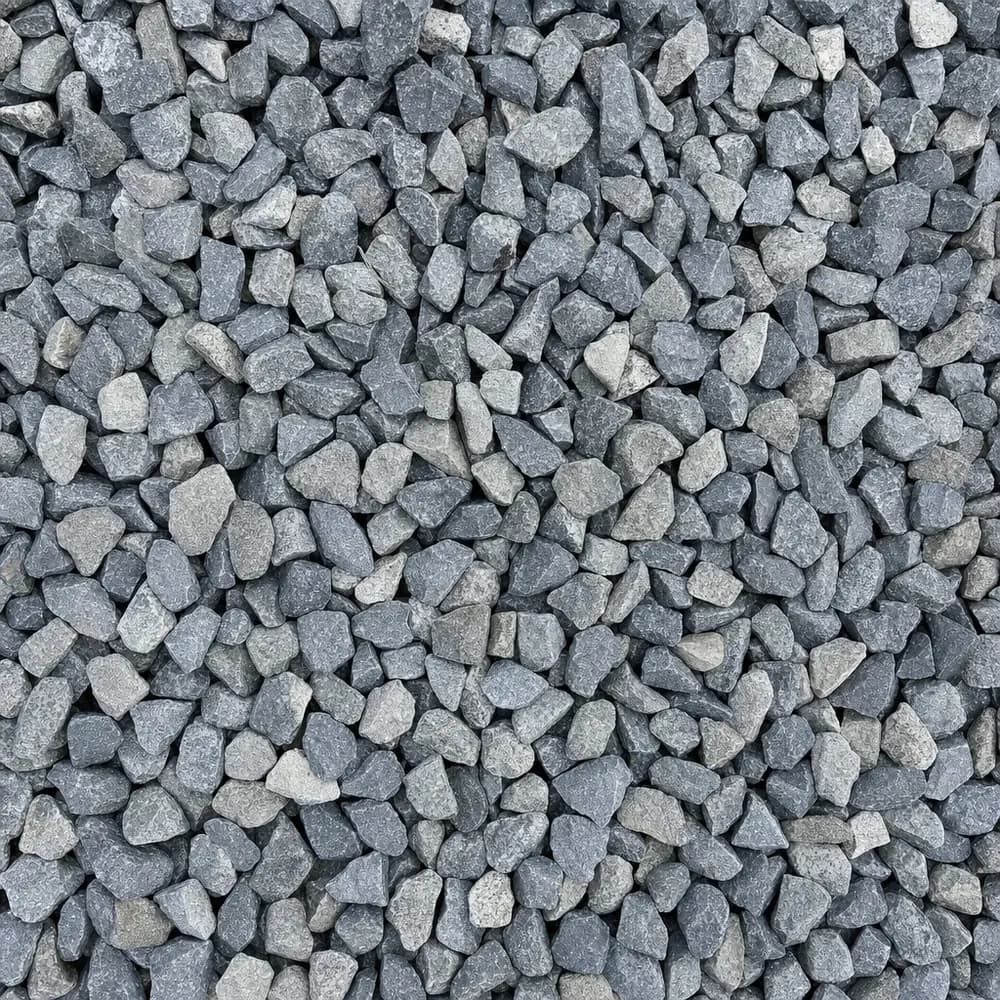
Driveway Gravel
From 1 Ton Delivered, FREE to your Doorstep
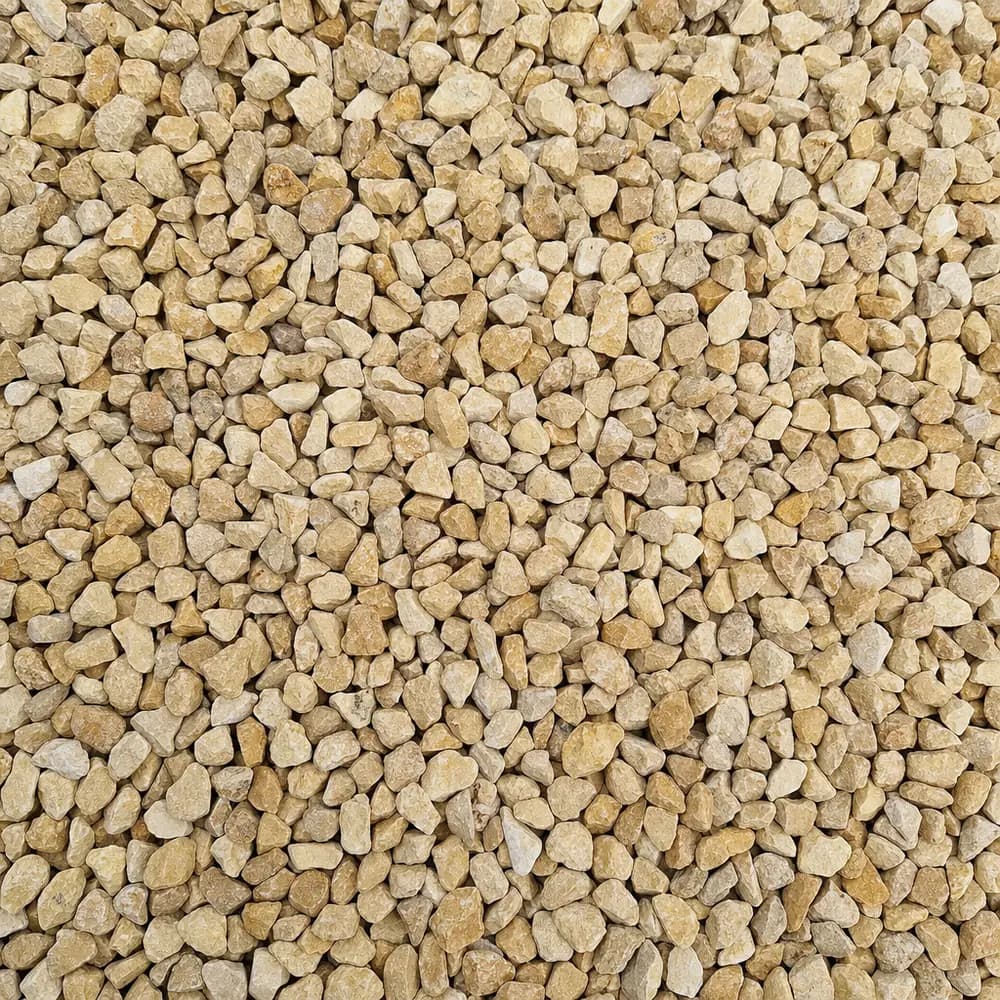
Walkway Gravel
From 1 Ton Delivered, FREE to your Doorstep
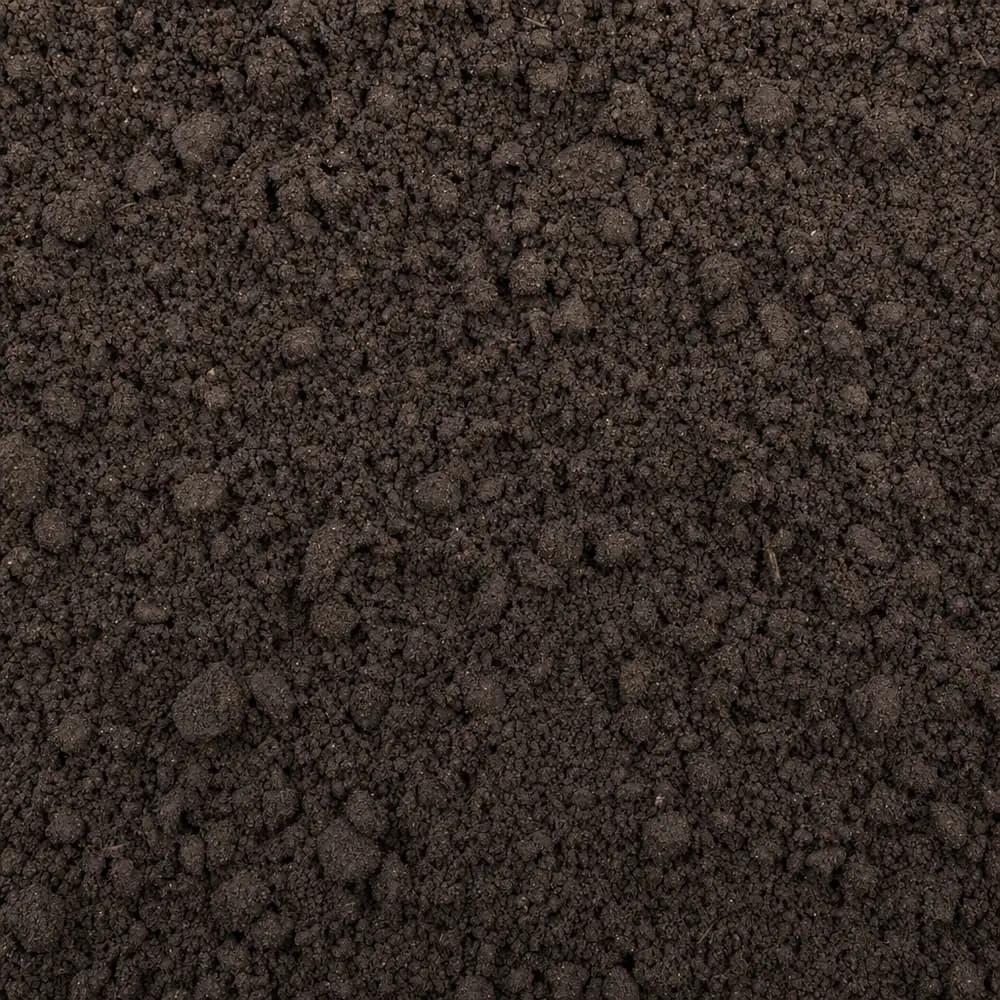
Top Soil
From 1 Ton Delivered, FREE to your Doorstep
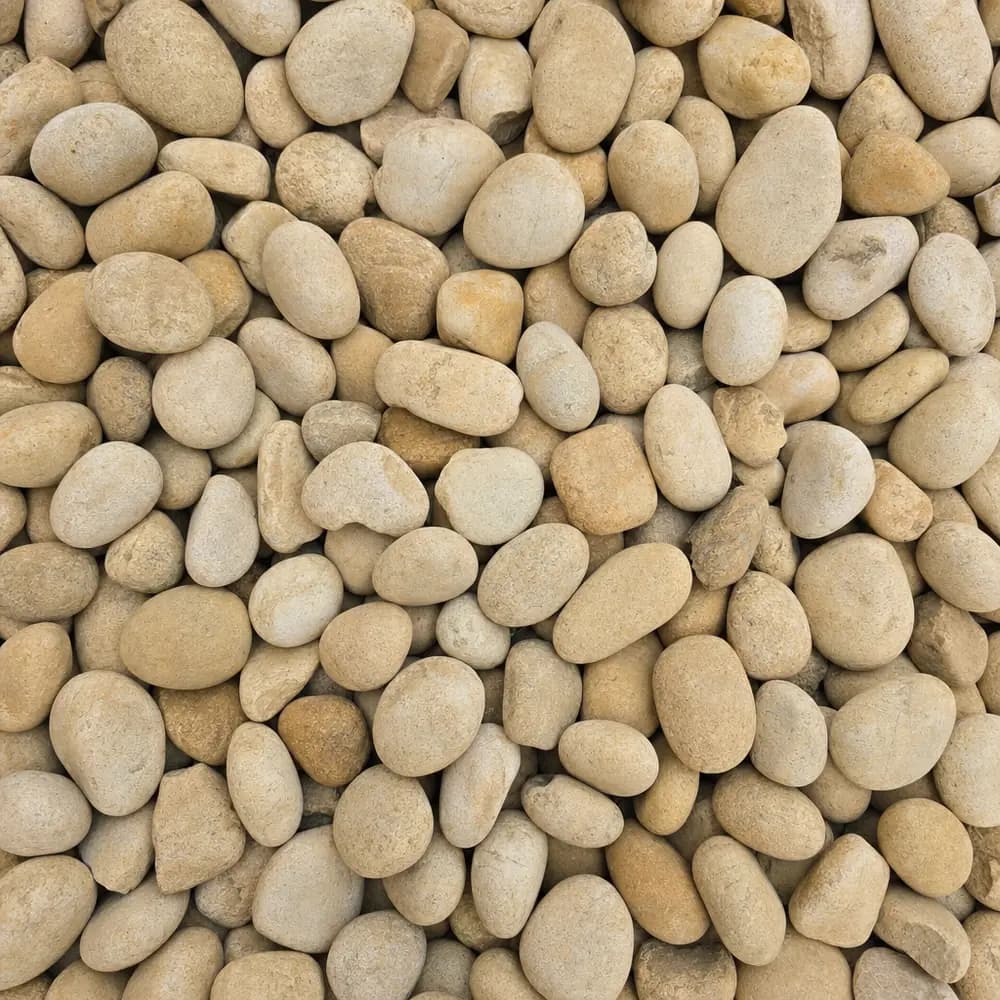
River Rock
From 1 Ton Delivered, FREE to your Doorstep

3/8" Natural Pea Gravel
From 1 Ton Delivered, FREE to your Doorstep
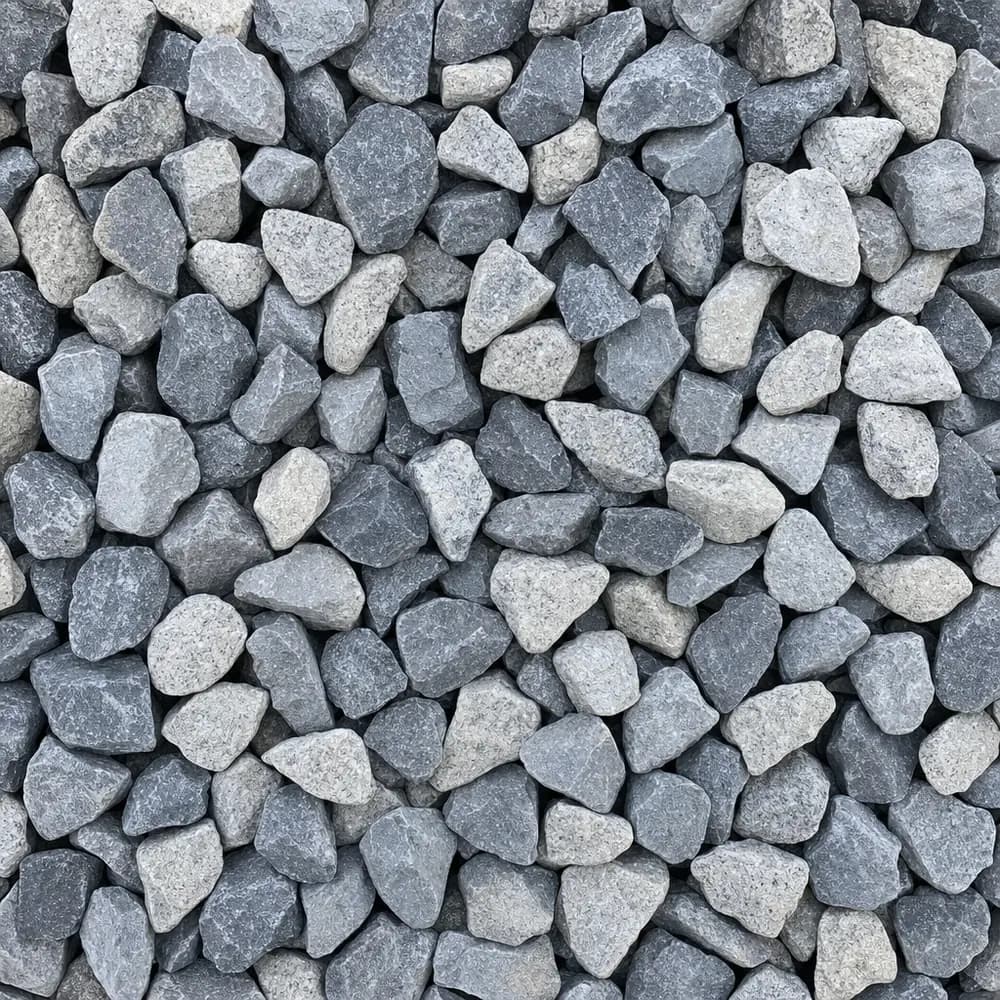
#57 Stone
From 1 Ton Delivered, FREE to your Doorstep
Frequently Asked Questions
Common questions about gravel and aggregate delivery in Montana
What is the best base material for a patio in Montana?
Crushed base course, sold locally as 3/4 minus, is the standard base material for a patio in Montana. It is specified under MDT Section 701.02.4 and under Section 02235, Crushed Base Course, of the Montana Public Works Standard Specifications.
Can I order material for a commercial or contractor job?
Yes. Montana Rock Supply sells bulk gravel, crushed stone, sand, soil and fill to commercial and contractor jobs across Montana, ordered online by the ton or by the yard.
When is the best time of year to order base material in Montana?
Base, driveway and paver work runs from spring breakup into autumn, with a shorter window at elevation. Frozen ground stops compaction through the winter, so order once the ground has thawed and dried enough to work.
Counties We Serve in Montana
- Beaverhead County
- Big Horn County
- Blaine County
- Broadwater County
- Carbon County
- Carter County
- Cascade County
- Chouteau County
- Custer County
- Daniels County
- Dawson County
- Deer Lodge County
- Fallon County
- Fergus County
- Flathead County
- Gallatin County
- Garfield County
- Glacier County
- Golden Valley County
- Granite County
- Hill County
- Jefferson County
- Judith Basin County
- Lake County
- Lewis And Clark County
- Liberty County
- Lincoln County
- Madison County
- McCone County
- Meagher County
- Mineral County
- Missoula County
- Musselshell County
- Park County
- Petroleum County
- Phillips County
- Pondera County
- Powder River County
- Powell County
- Prairie County
- Ravalli County
- Richland County
- Roosevelt County
- Rosebud County
- Sanders County
- Sheridan County
- Silver Bow County
- Stillwater County
- Sweet Grass County
- Teton County
- Toole County
- Treasure County
- Valley County
- Wheatland County
- Wibaux County
- Yellowstone County
Largest Cities We Serve in Montana
Montana Cities A to Z
303 cities and towns, listed alphabetically across 2 pages.